Autumn Reflections
Dear Friends of YIP,
Welcome to the October Newsletter,
In the last month, summer’s warmth has slipped into memory and colder days have arrived. October has been filled with YIP rhythms as we have gathered in warmth to listen and learn, to sing, to paint, to move. This month’s curriculum has offered us a window to look outwards into the world, growing awareness of current challenges and, as the days grew shorter, turned us inwards, cultivating our inner awareness through courses that brought reflection and embodiment.
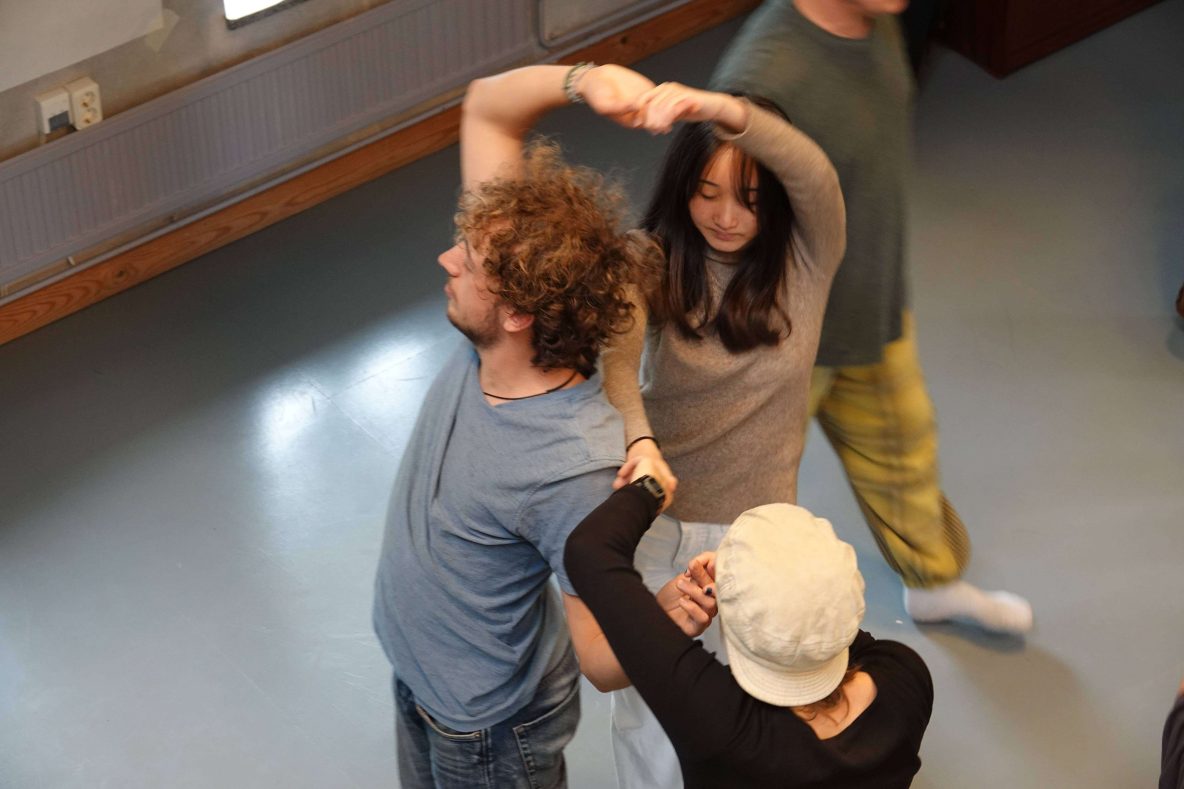
We began October with War and Conflict with Christianne Aikins, where we examined framing in the media, seeing how narratives shape what we hear. After an autumn break we returned to a week on Economics and Politics with Gerald Häfner and Armin Steuernagel where we explored democracy and ownership, and were invited into relationships with seemingly distant systems, seeing them as formed by humans, and continuously forming. After this week we turned inwards with a week on Portrait Painting. Hosted by Rachel Ingvad, we created self portraits, observing shadow and light and coming face to face with ourselves. The month has ended in movement. Last week we welcomed Justas Kučinskas and Jekaterina Kukinskiene, who hosted a week on Movement in Complexity. Finding creativity and freedom in our movement, we had the opportunity to connect to our embodied selves.
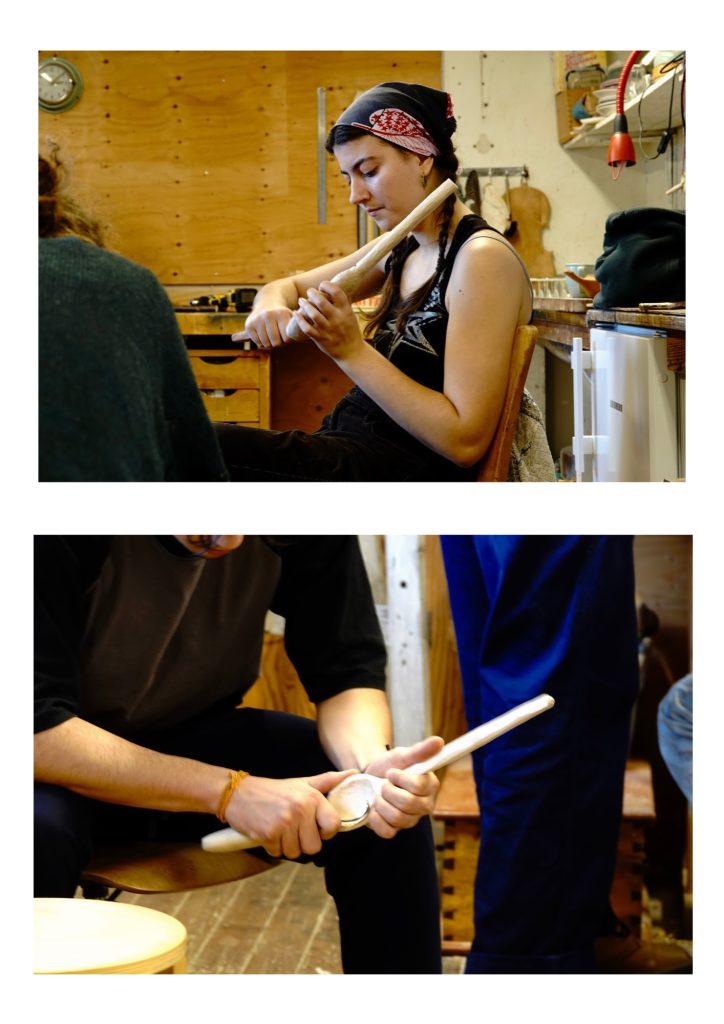
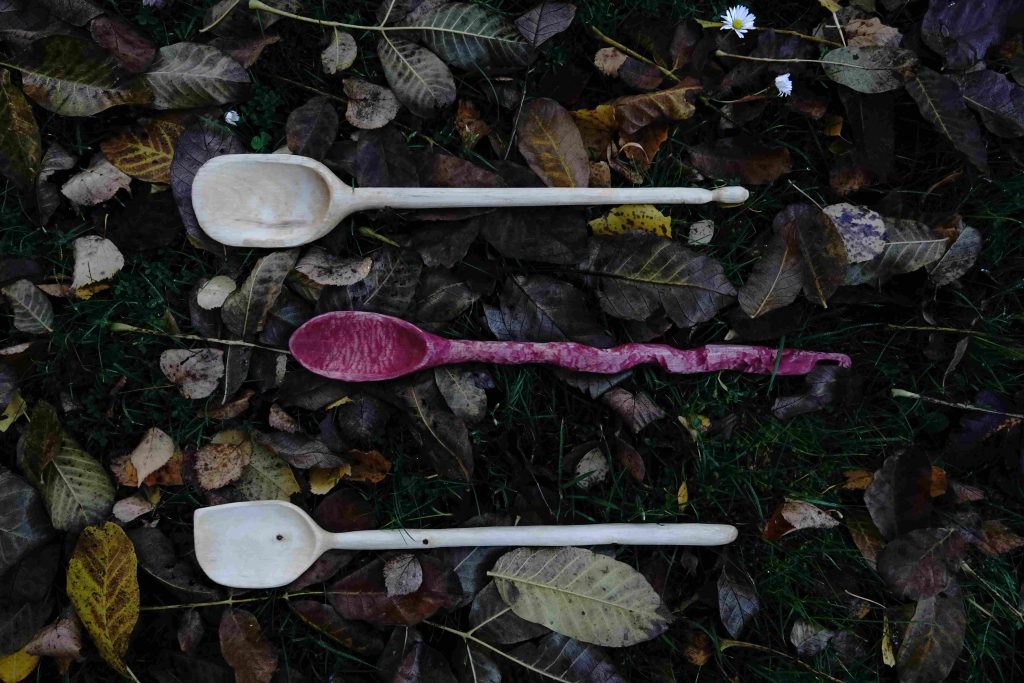
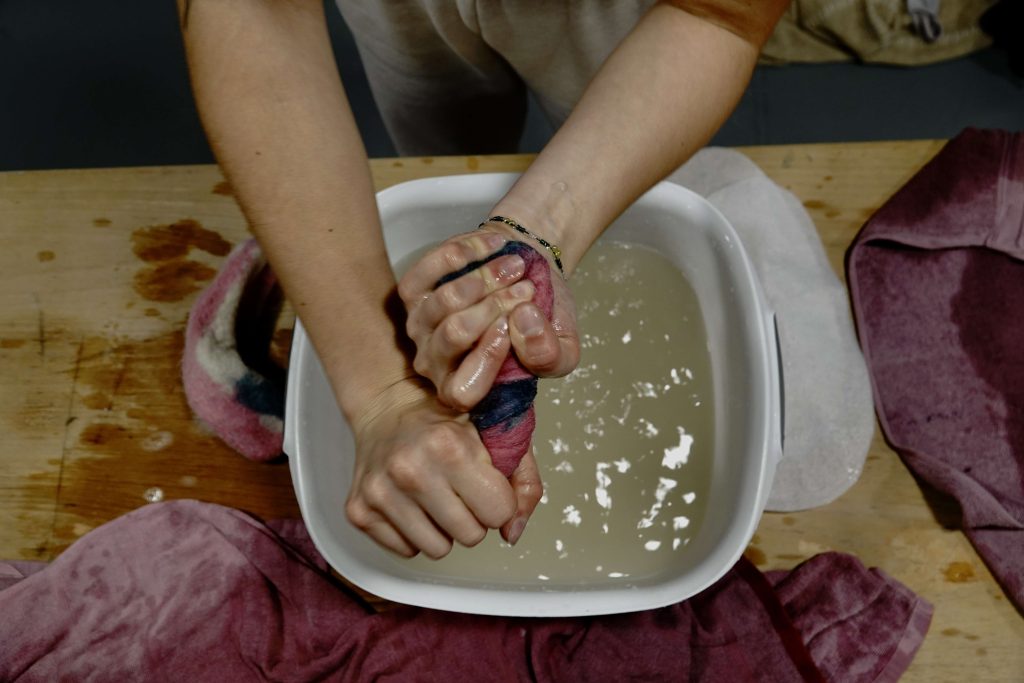
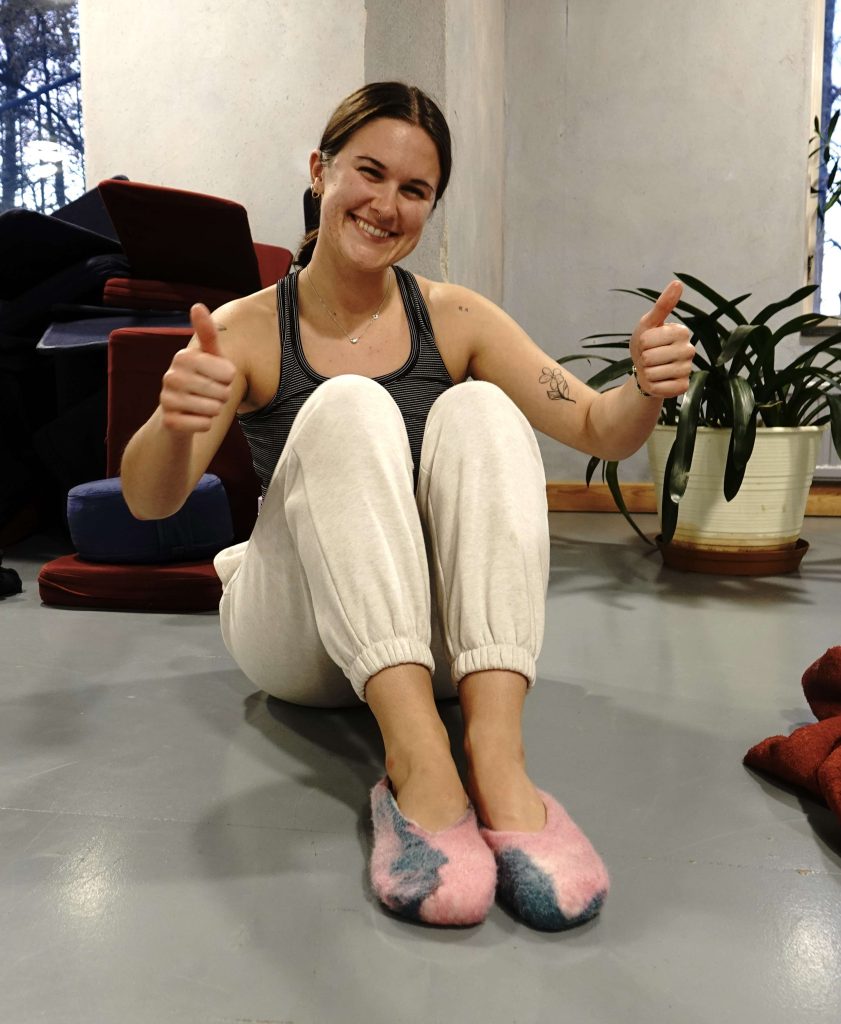
Our afternoons have been full, too. Creative sessions have kept our hands busy, and beautiful forms have emerged- felted slippers, smooth spoons and shiny metal knives. The garden has been tucked under a mulch of autumn leaves, and crates of apples seem to be constantly arriving in our kitchen. We were joined by Kefas Berlin for an afternoon, where we played, laughed and moved, and joined in joyful song. Initiative forum sessions have woven ideas into action and yippies have started to reach out to possible speakers, design a website and bring shape to their ideas for a program. After research and much deliberation, participants have decided on their internship locations, which you can hear more about in their video in this newsletter.
In Ytterjärna, paths are painted bright with yellow leaves, and autumn weaves her change around us. In less than two weeks YIP19 will arrive at their outpost in Wudang Mountain in China, marking the beginning of a new chapter in their journey. The next newsletter will be filled with new colours and learnings from afar…
But for now, I hope you enjoy reading this newsletter, which is a patchwork of reflections from participants and a few photos- windows into our Autumn YIP world.
I wish you wellness and warmth in your various lives around the globe.
Thank you for your interest and support!
With gratitude,
Ruby Botica
In this newsletter you will find:
- War and Conflict week
- Reflection by Allison Jeon
- Autumn Break
- Reflection by Jonne Poel
- Postcards
- By Vibeke Timmenga
- Economics and Politics week
- Reflection by Jonathan Seinstra
- Creative sessions
- Portrait Painting week
- Reflection by Teo Martinez Garcia
- News Club
- Reflection by Hanna Turén
- Movement week
- Reflection by Allison Jeon
- Internships and Fundraising
- Alumni Update:
- Anna Wynants – De Keukentafel
- Anna Wynants – De Keukentafel
- News from YIP
- Open Course
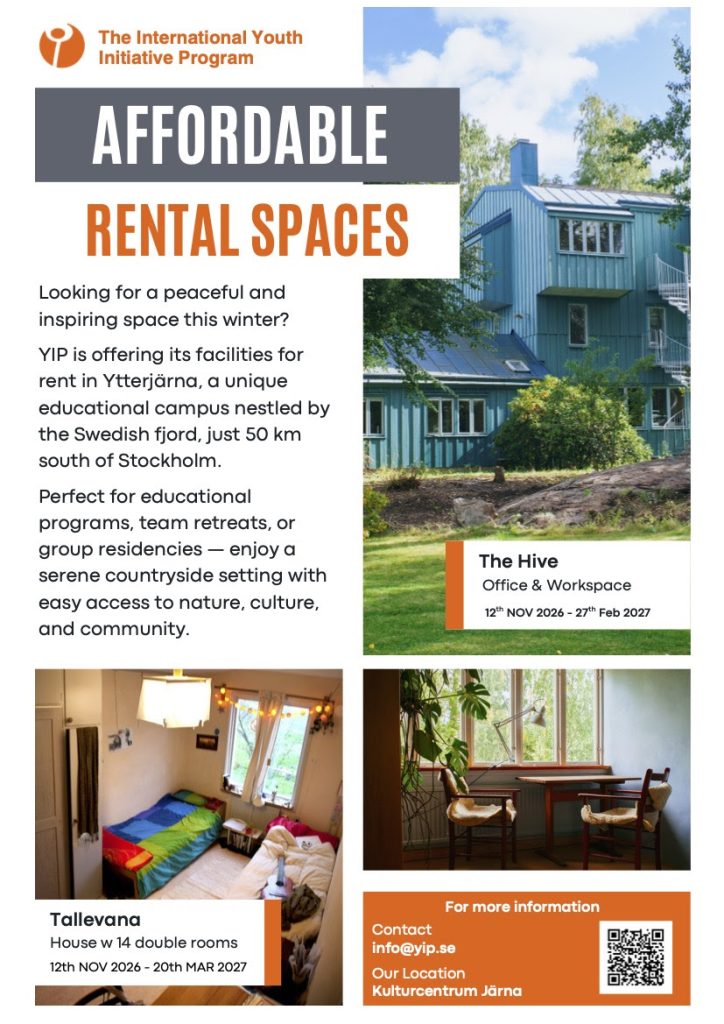
- Building Rentals
- Applications for YIP20
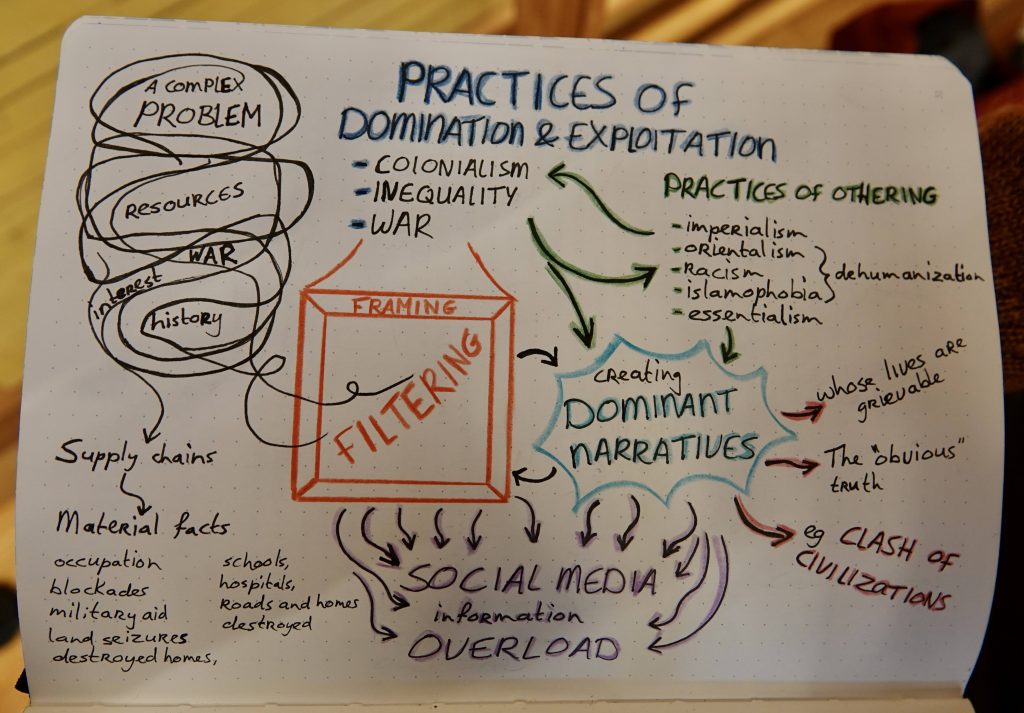
WEEK 6 : War and Conflict
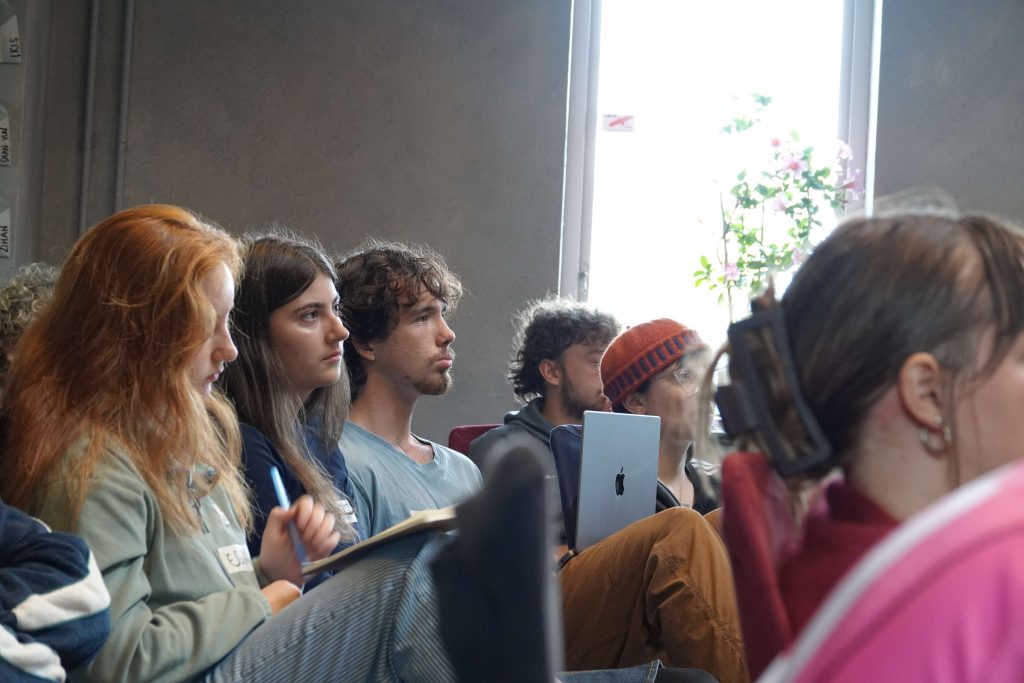
The war and conflict week was intense and thought-provoking. We examined news and media articles through the concept of “framing”—the ways in which media use language and timelines to portray people and events in ways that strengthen a dominant narrative. I found this particularly valuable because it showed me that media does not simply report events; the way an event is selected and portrayed can shape how we understand the truth. This understanding helped me see how longstanding issues such as colonialism, orientalism, and islamophobia can be both undermined and perpetuated through media representations. Framing can influence who is portrayed as the hero or victim of a story, what lives are deemed valuable, and whose suffering we can mourn. We explored the term essentialism and the idea of a “clash of civilizations”. I found these concepts particularly important for understanding how complex political, ideological, economic, and cultural conflicts can become reduced to inherent differences between groups of people. Essentialist representations can portray groups as having a “fixed essence”, while the “clash of civilizations” framework can construct entire cultures as fundamentally incompatible with one another. When war is framed as a struggle between fundamentally different peoples, it undermines the ideological, economic, political, and cultural factors that have shaped the conflict overtime, as well as making violence seem inevitable. I really enjoyed this week, and I feel more equipped to engage with complex issues. Rather than defaulting to what is the “right” interpretation, I have shifted to examining first the frame and narrative of a text.
Reflection by Allison Jeon
Autumn Break
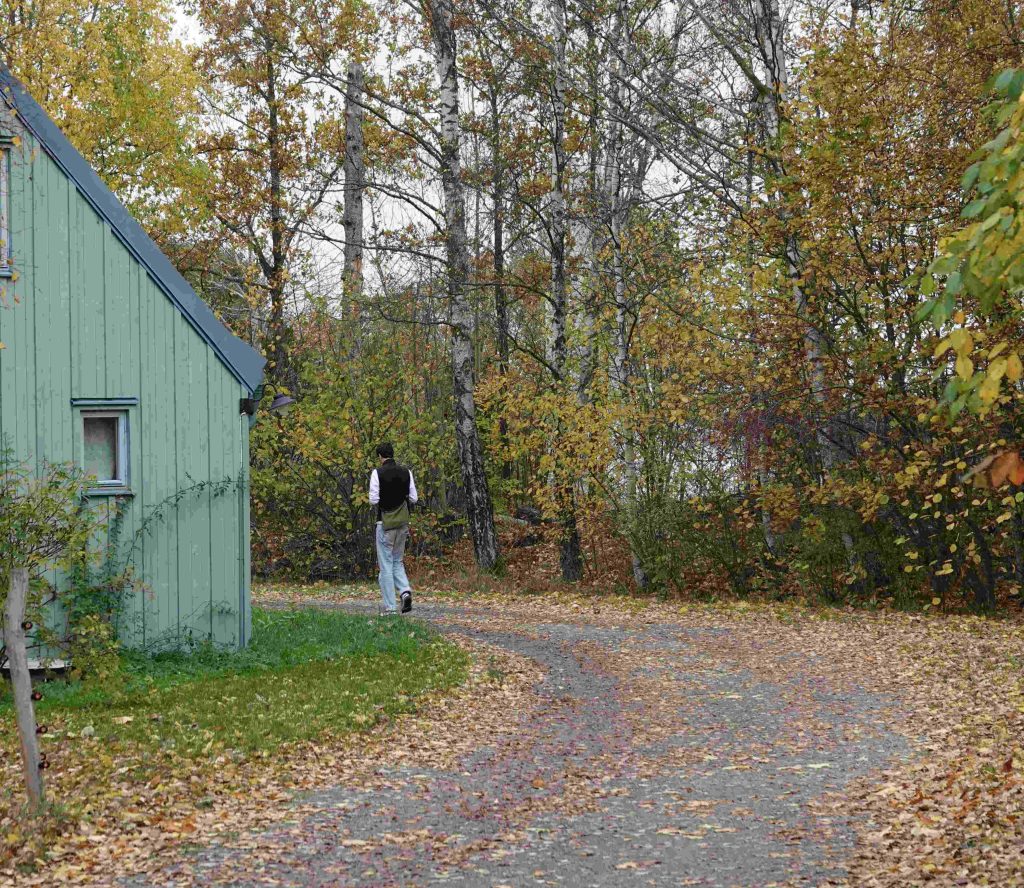
As the days are getting shorter and the nights longer, you can really feel that autumn has begun to arrive. You can see that nature has changed its colours to beautiful darker greens, yellows and browns. Especially here on campus, the apple trees are dropping their apples and the paths are covered with brown leaves. When you walk outside, you can feel the cold wind on your face. People are sitting inside enjoying their fika while the rain drizzles down from the sky.
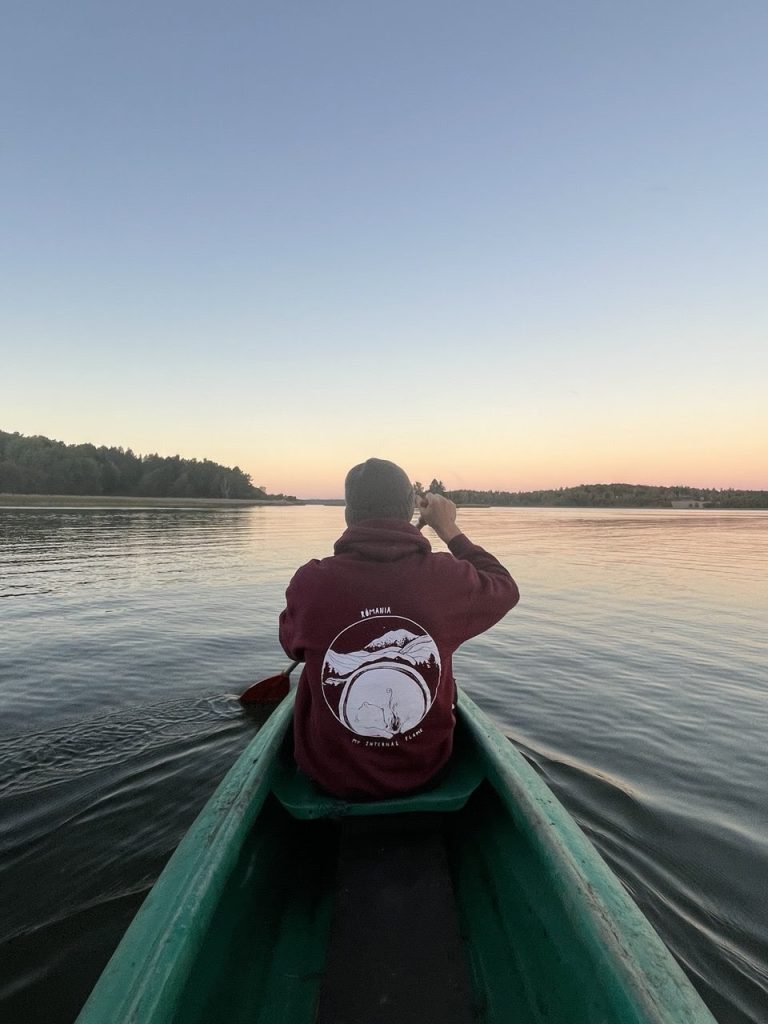
In the first week of October we had our autumn break. Beforehand, people were talking about their plans: whether they wanted to explore Sweden, go to Oslo or stay inside and rest. I felt like staying and enjoying the rest that I really needed. Although at some point I felt quite bored, so I decided to go canoeing with a fellow Yippie. We went to a small island, which is about a 45 minute canoe journey away from campus. We slept in hammocks and had a great time having conversations while sitting near a campfire. We ate sandwiches for dinner that we had prepared before leaving. When I woke up I felt quite cold, but it didn’t really matter, because I saw a beautiful sunrise right on the edge of my hammock.
When we came back from our little adventure, there were not many people left in Tallevana (the place where we sleep as Yippies). Some people went to Stockholm and stayed there for a while, others went to Oslo to explore the nearby country. It felt quite weird not having many people walking around in Tallevana. It felt a bit off walking into the common room and finding nobody there. Near the end of the autumn break, people started coming back and more life returned to Tellevana.
I think this autumn break was really needed for a lot of us. Some people were tired, and others needed to get out of our YIP bubble for a while. I had a lot of fun and felt reset, ready to start the week with fresh energy.
Reflection by Jonne Poel
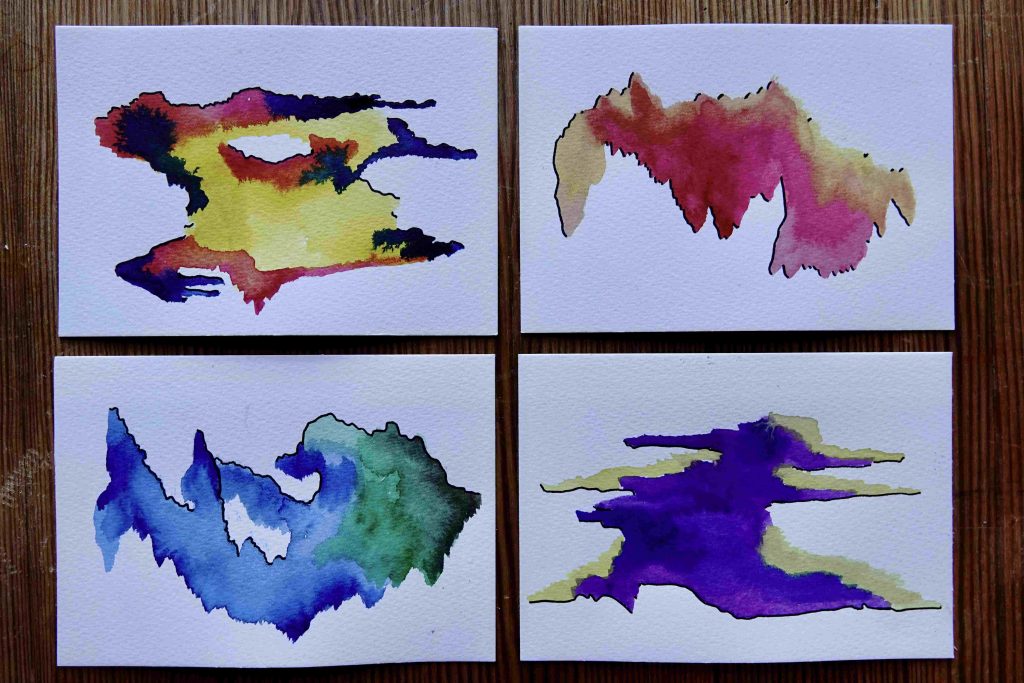
Drawing Connection Through Imaginary Island Postcards
WEEK 7: Economics and Politics
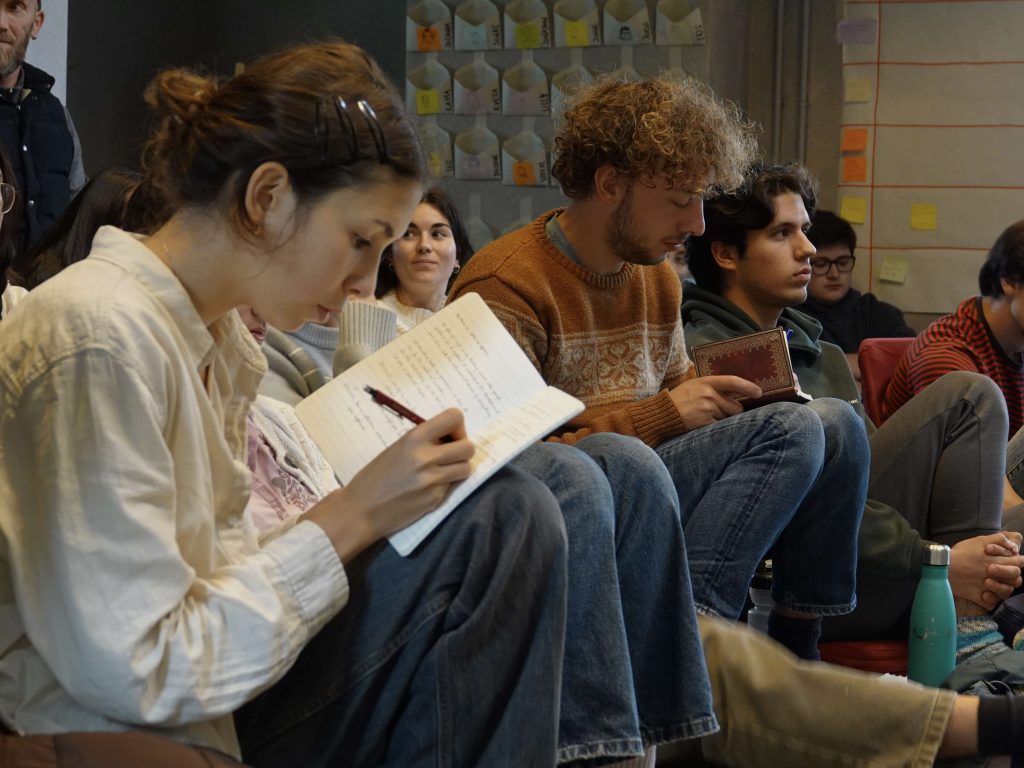
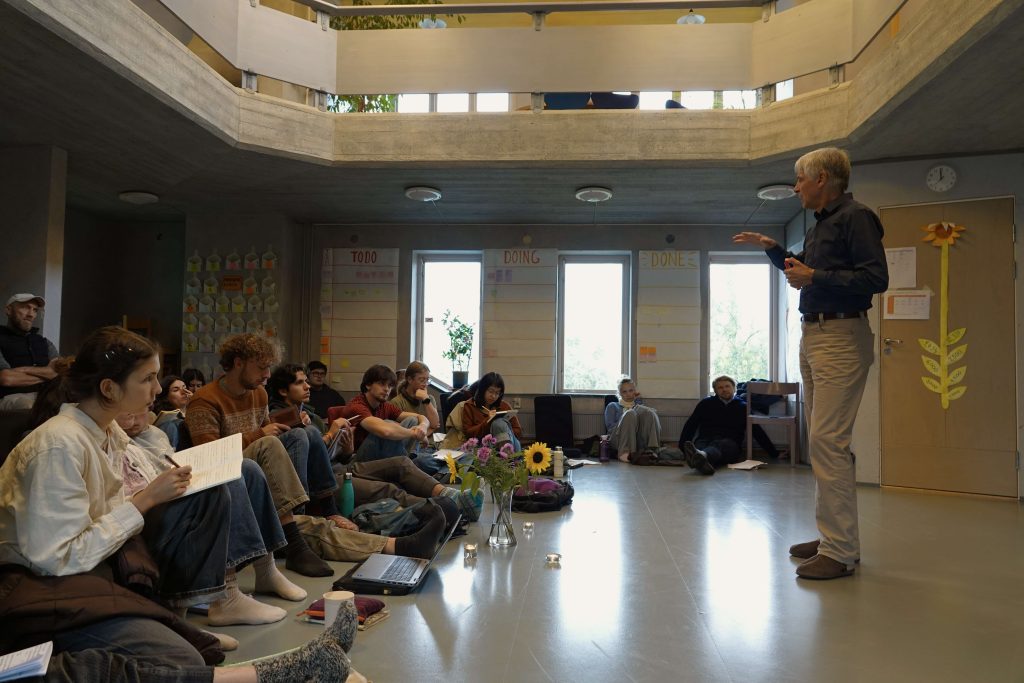
This week we talked about economics and politics with Gerald Häfner and Armin Steuernagel, but not in a way I would ever have expected. During this week we approached this rather sensitive topic by asking clear questions and looking at initiatives that answer those questions. We started the week by talking with Gerald Häfner about how the world came to be in the position it is in right now, in particular in Europe.
On the second day, after a brief overview of the history of ownership, we talked about how the active economic systems in the world are causing a disconnection between people and their responsibilities. Armin therefore introduced us to steward ownership, a model based on self-governance and purpose orientation. The lecture and the discussions also made me question what the purpose of the economy really is.
On the third day we focused on the current form of (indirect) democracy and other systems that create bureaucracy. From there we looked at alternatives such as Switzerland, how they have managed to structure their government, and how the people are engaged in the system. Again, there were lots of clear questions about how we can live together is a trustworthy and responsible way.
On the fourth day we looked at universal human needs and trust between humans. We practiced empathetic listening to each other in a role-play. How can we listen to the needs of others? We came to see that the needs of others are almost always identical to our own needs.
On the fifth and last day, everything came together on the subjects of responsibility and trust. How can we build systems that create trust instead of mistrust between human beings? We also talked about how and why we can contribute to the world in a true way. This part was the most inspiring for me this week, and I will explain why later.
When I look back at this week, I not only think I learned a lot, but I also feel very inspired by the way Armin and Gerald approached this broad topic. I experienced a paradigm shift that changed my perspective on economics and politics. At first I saw the two as separate from the human being, but now I can clearly see how they relate to each other.
Besides learning a new way of seeing the world in terms of economics and politics, I learned a lot about myself. Before, when I looked at all the problems in the world, I felt strange, because I felt both responsible and powerless to act. I felt scattered and worried. Now I take away a feeling of freedom and trust in the world’s rhythm: the freedom to contribute to something I truly and deeply care about, and the trust that other people will eventually do the same.
Thank you so much, Gerald and Armin for this wonderful week!
I enjoyed it and I am sure more Yippies did.
Written by Jonathan
Creative Sessions
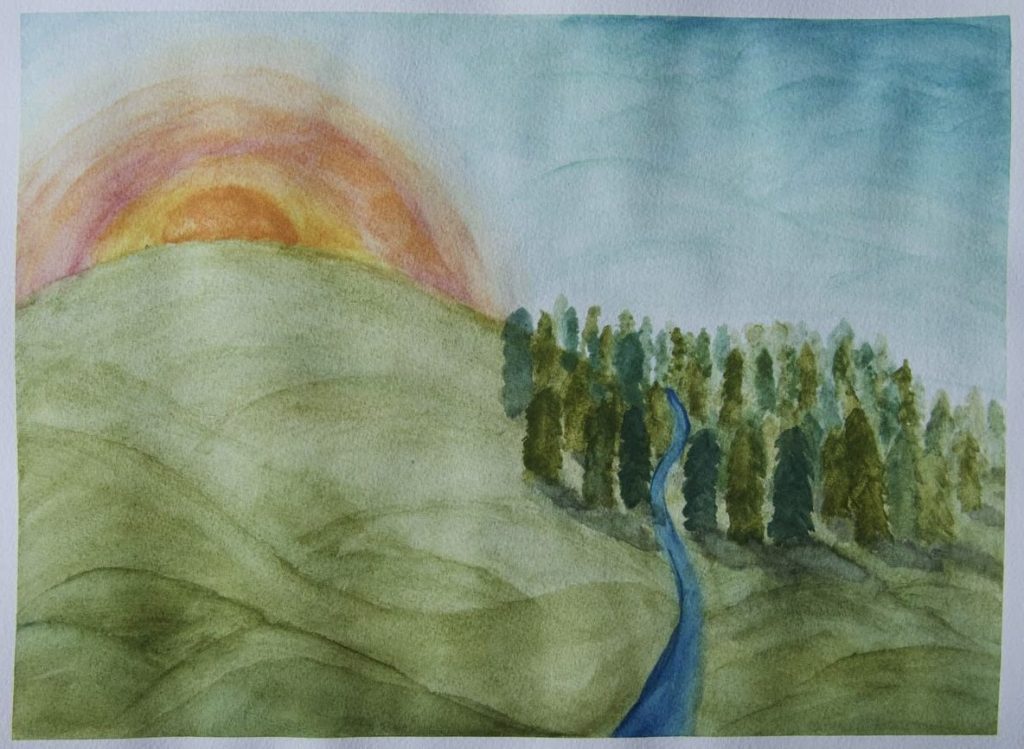
Art Therapy
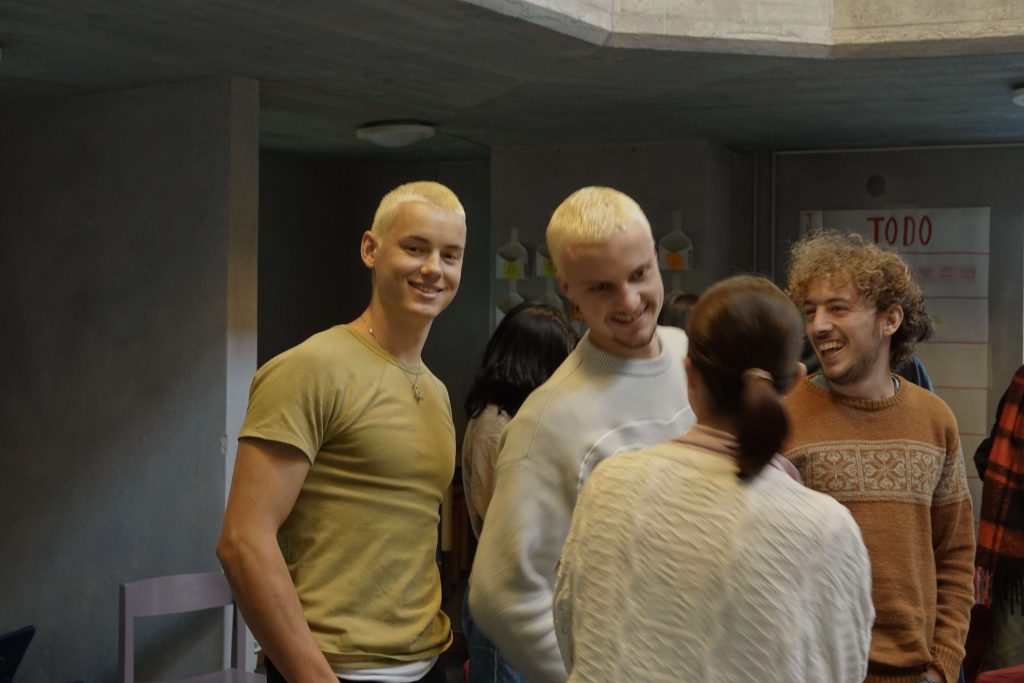
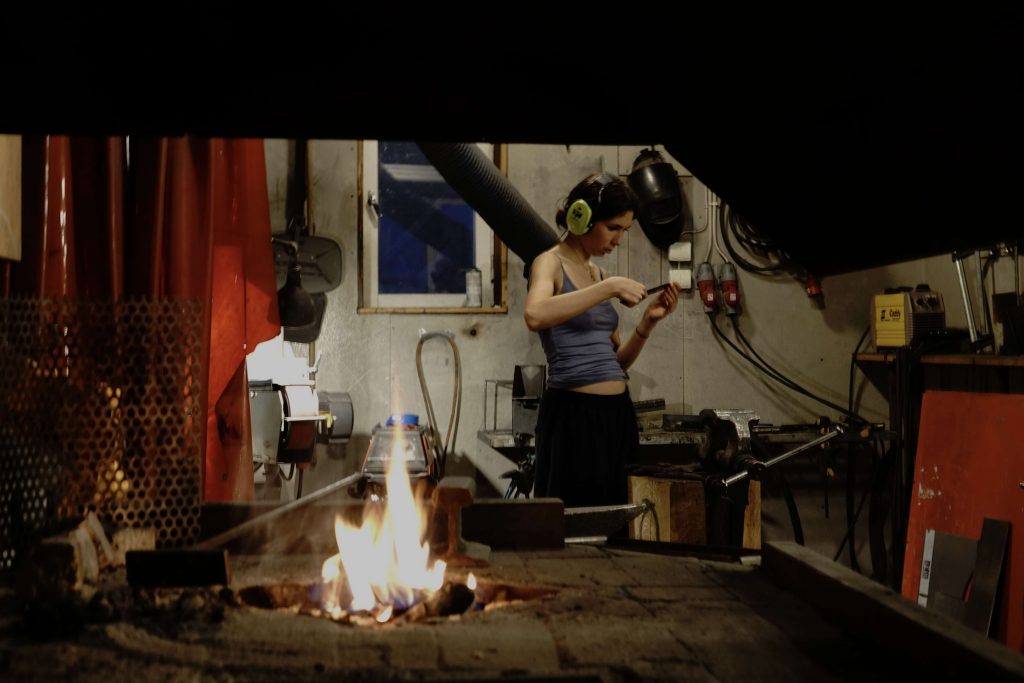
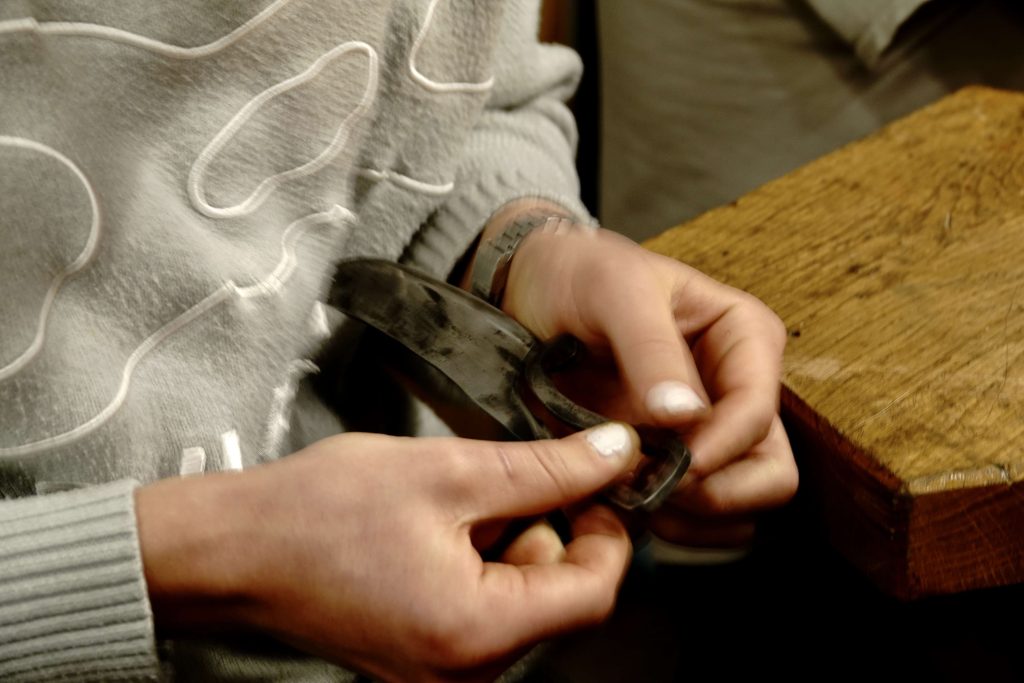
On Wednesday afternoons the participants disperse into various creative sessions. At the beginning of YIP they chose from Metalwork, Felting, Art Therapy and Woodwork. We are privileged to have talented local teachers who support them to create various projects. Below is a small photo gallery from these sessions and pictures of a few completed projects.
Woodwork – Making Spoons
Felting – Making Slippers
Metalwork – Making Knives
WEEK 8: Portrait Painting
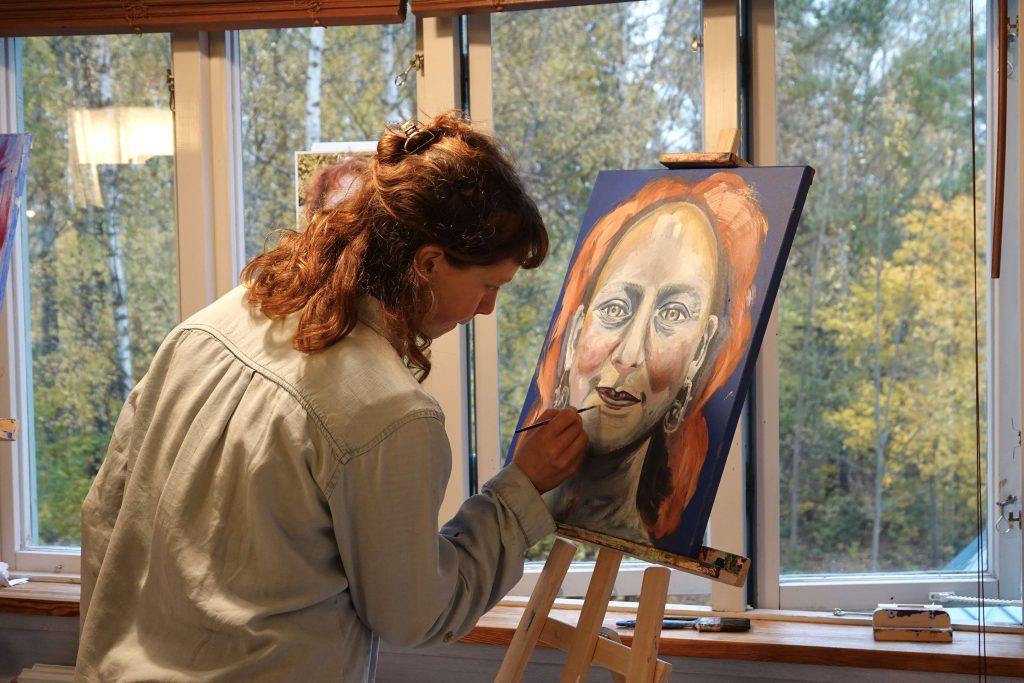
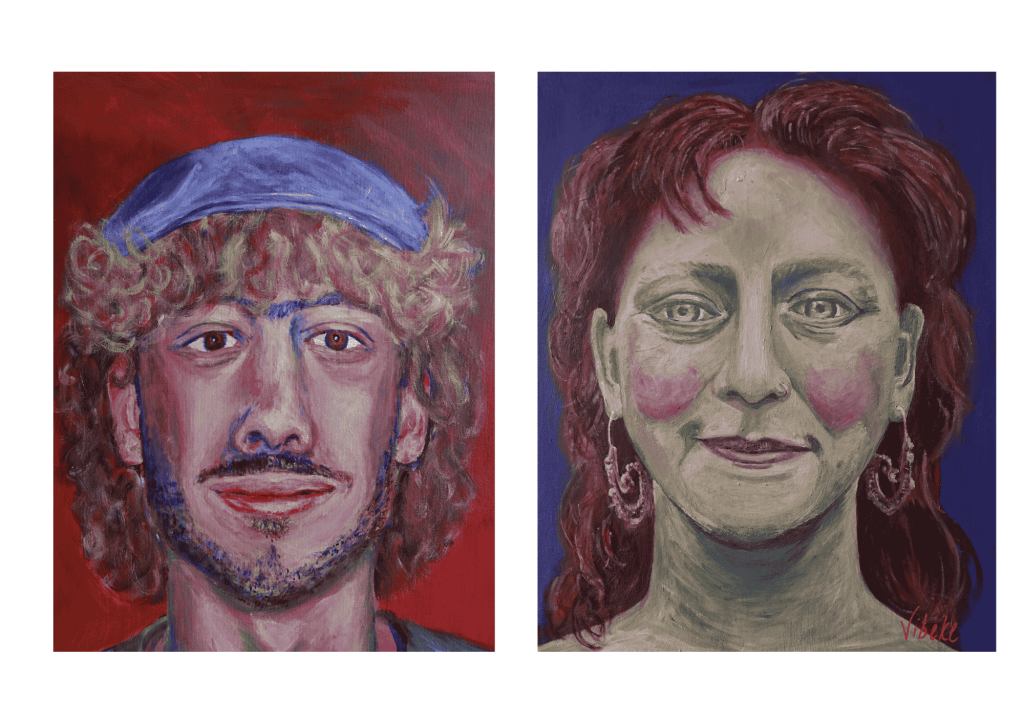
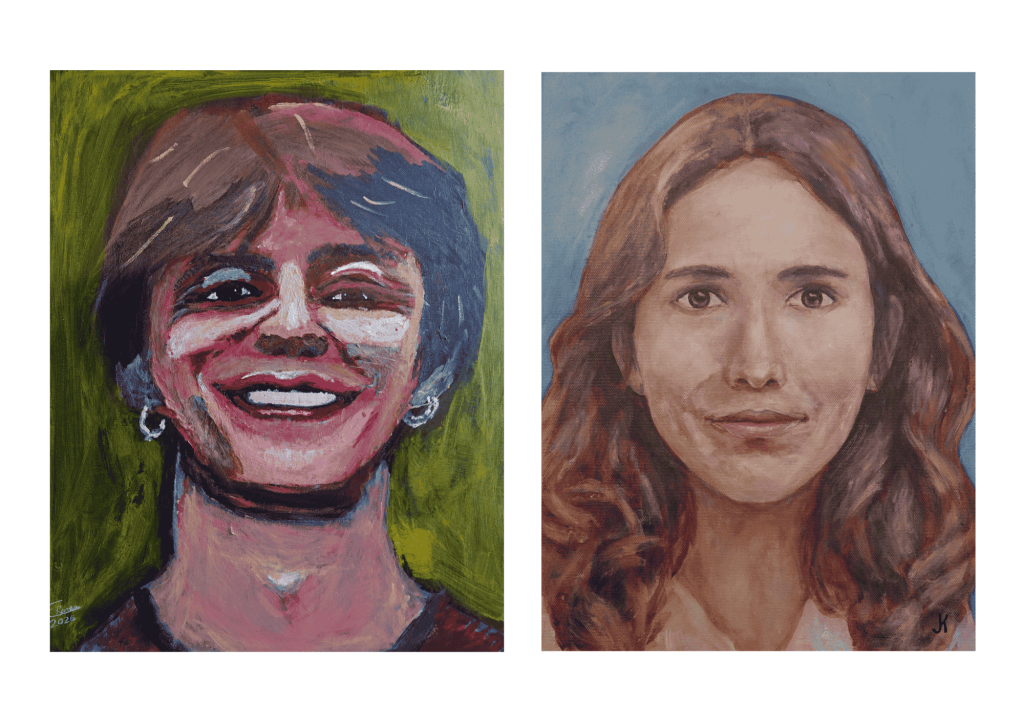
This week’s course was portrait painting. For five days, we dedicated full days to completing a self-portrait, with the help and support of Rachel, our contributor of the week. She had a lot of knowledge on the subject and great skills to guide us through the process.
I learned many things. First-hand, I learned that everybody can paint great things, even without previous painting classes. What matters is having the willingness to paint, plus patience, passion, imagination, and accepting the consequences of trying crazy things, because everything has a solution. That’s what I loved most. I also learned that shadows are a key part of painting. Seeing the face as pure shadows, or as one color with different tones, helped me a lot. Creating new colors by mixing them was also something new and interesting. And of course, now I know that I can paint.
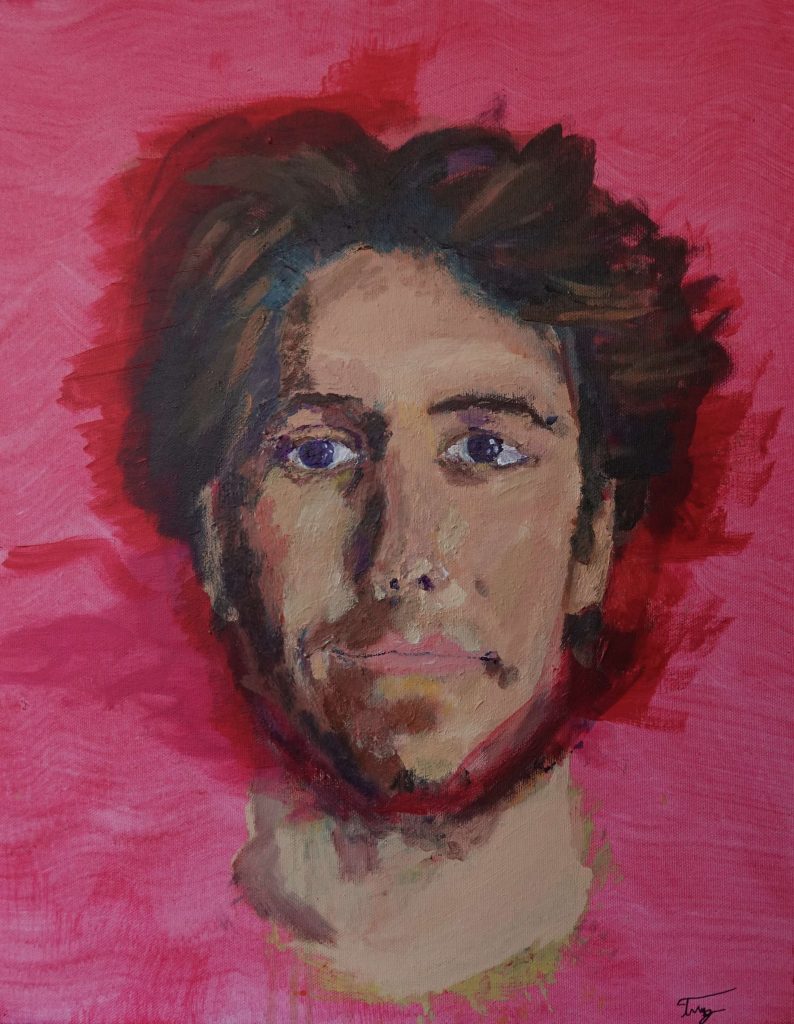
Something curious happened: after studying all the details a face has, I appreciate everyone’s faces so much more. I find more beauty and detail in them, I catch myself thinking about how I would paint them, and I especially notice the shadows around the eyes.
My biggest takeaway is that I realized I love painting. It’s not something I usually do; it was more when I was young. My best memory from the week is from Thursday. I kept painting until midnight because I wanted to improve my portrait, and it felt effortless because I was enjoying the process so much. When you paint, you are in the present moment. I forgot about my thoughts, worries, sounds, and distractions. It puts you in a great mental state. I also loved watching the portrait slowly become something. For me, it was a great exercise, and it really excited me.
Reflection by Leo Martinez Garcia
News Club
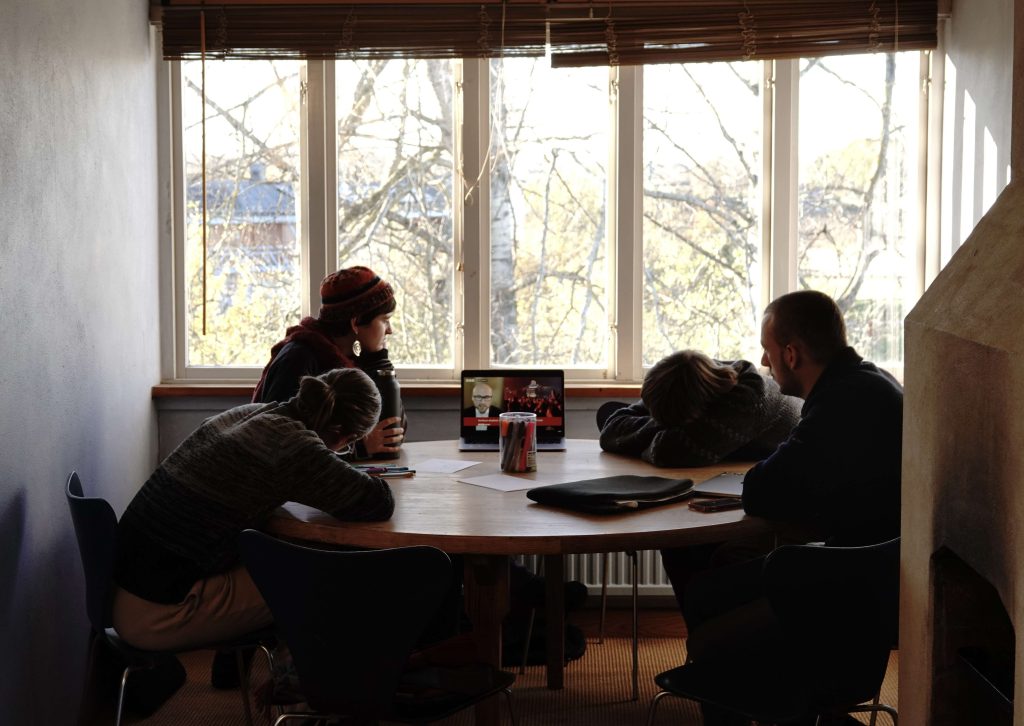
When I joined YIP, I felt a growing need to make more room in my life to learn about issues beyond my immediate surroundings and hear how other people understand them. I wanted to find a way to do that while also making following the news enjoyable rather than overwhelming. The idea of meeting regularly with others, sharing news and discussing different topics felt like a good way to nurture that curiosity. That’s why I decided to join the weekly News Club, hosted by the lovely fall volunteer Rosie.
Meeting roughly once a week gave us a reason to pause, catch up on what was happening in the world, and talk about things we might not otherwise have made time for. Our meetings covered a broad range of topics, including economics, the ongoing genocide in Palestine, positive news from the places we call home, and politics. The format was fairly open, with participants introducing different topics through news articles, reports and other media, followed by discussions and exchanges of thoughts. During our meetings, we also touched on the importance of looking at how news is presented and framed.
What I’ve appreciated most is that following the news together is about more than simply knowing what is going on. It is also about the conversations that come with it: hearing how others interpret events, asking questions, and sometimes realising how little you actually know about a particular subject. There is something valuable about approaching different topics with an open mind, without necessarily having an opinion or knowing all the answers.
Joining the News Club has also made me reflect on how easy it is to become absorbed in our own individual journeys, especially during a period of life when so much revolves around finding our place, making decisions, and figuring out what comes next. But while we are busy trying to make sense of our own lives, the rest of the world keeps moving. There are stories unfolding, people facing challenges, and events taking place far beyond our immediate surroundings, all of which deserve our attention. Staying informed and à jour is not just about keeping up with the news; it is also about remaining curious, looking beyond ourselves, and feeling connected to the wider world. And perhaps that is what I appreciate most about the News Club: it has reminded me that making space for the world around us doesn’t have to feel like another thing on our to-do list. It can be something we explore together, through curiosity, conversation, and a willingness to listen.
Reflection by Hanna Turén
WEEK 9: Movement in Complexity
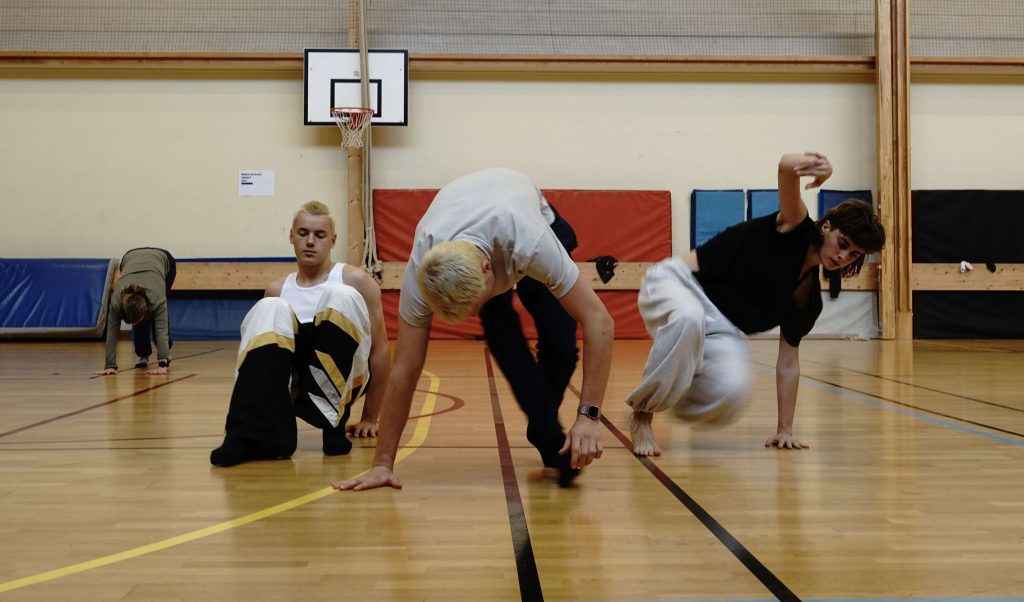
This week we had the chance to work with the wonderful Justas Kučinskas and Jekaterina Kucinskiene, co-founders of a movement school in Lithuania, “Movement Vilnius”.
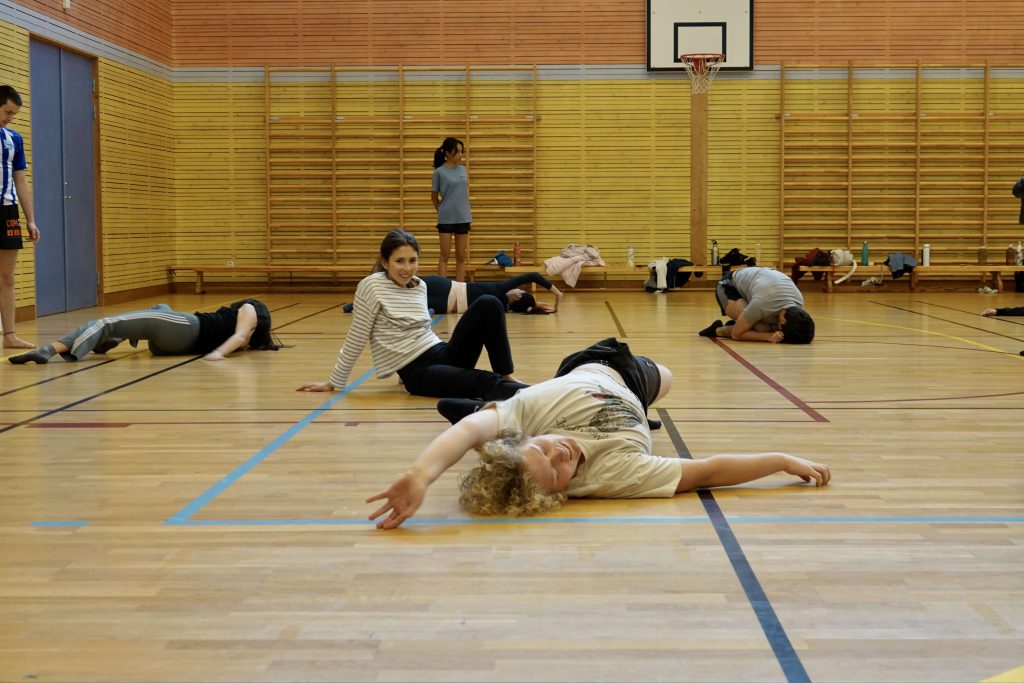
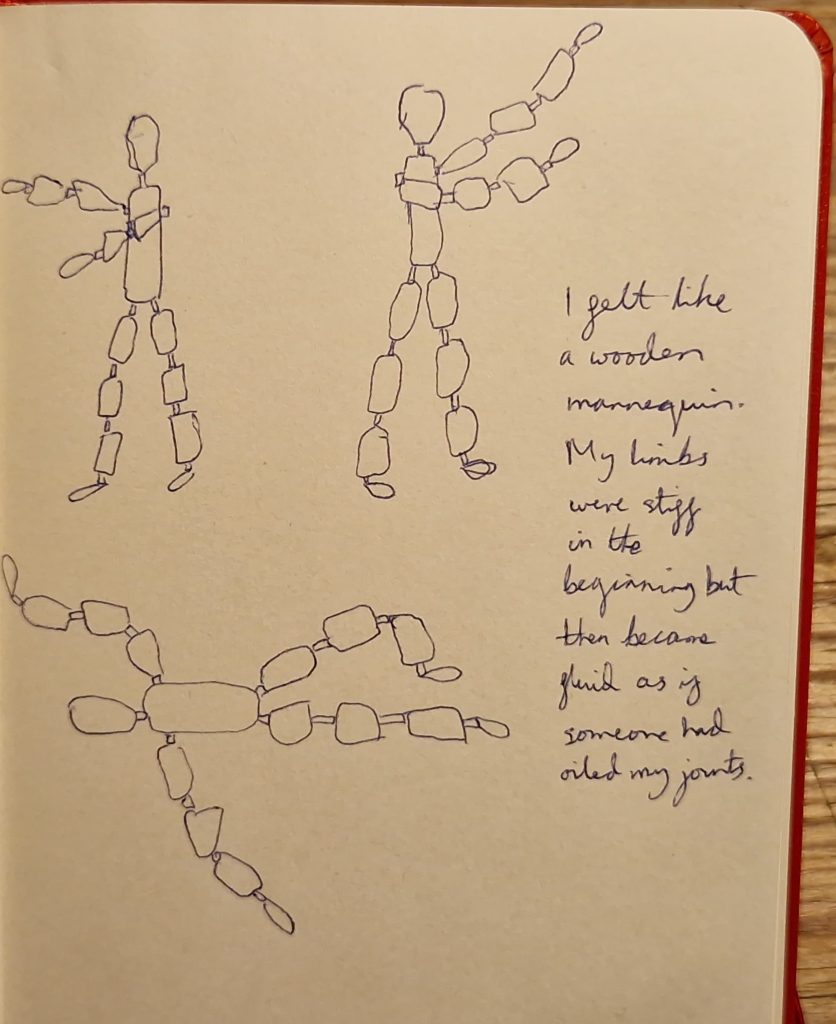
This course took a holistic approach to movement, one that engaged the mind, body, and spirit. We experienced the interconnected relationship between the mind and body, and how they continuously influence one another. We explored how movement can be used as a tool to regulate the mind, release tension and develop greater awareness of our internal states. We explored different types of movement exercises through floor work, locomotion, momentum, jumping, object coordination, and partner work. The variety of movements challenged our capacities while improving our rhythm, coordination, collaboration, and athleticism. `
Throughout my life, I have been deeply invested in movement in different sports, each having clear goals to work towards. This course shifted my perspective on movement from striving for a particular result to fully engaging in the process. Instead of working to execute the exercises perfectly, score a goal, or win, I was asking myself, “how can I move to embody flow, centeredness, strength, while expressing my authentic self?” This shift was immensely freeing. I won’t forget the moment when I looked around the class and noticed that the technical skills we were practicing transformed into a collective dance.
It’s quite remarkable how much can shift in just three days of this practice. As someone who struggles to feel grounded, I left each day feeling more connected to my body with heightened awareness. I will carry this new approach to movement throughout my life and explore it further in my personal initiative project.
Reflection by Allison Jeon
A message from YIP19
We need your support!
Internship Fundraising
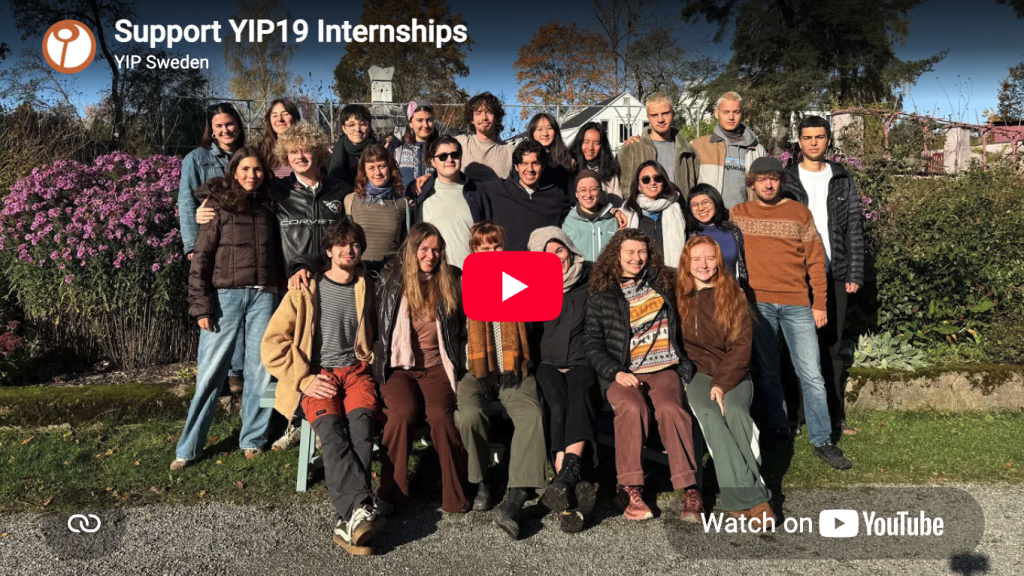
Dear alumni, family, and friends,
We would like to ask you for your support.We’re heading off to our international internships in February 2027. The internships are one of the foundational aspects of the program, offering us the possibility to work with an organisation, business, or initiative that is seeking to implement the ethics, motives, and ways of being and working that we explore during YIP. This gives us a real-life, hands-on experience of what it can look like to work in an initiative that strives to take on some of today’s challenges in the world. We co-design this learning journey ourselves, in small groups, focusing on our personal intention, and the needs of the place we go.
Why do we need your support?
The travel, accommodation, and costs of these internships are not fully covered by the program. To make this experience possible for the whole group, we’re asking our own networks to contribute.
A big help would be donating via GoFundMe. Every amount helps, big or small. And if donating isn’t possible right now, sharing this fundraiser also helps enormously.
Thank you so much for reading, and for supporting all of us on this journey.
With gratitude,
YIP19
Written by Iris Pagalday and Kvéta Chaloupková
Alumni Update
De Keukentafel
Anna Wynants
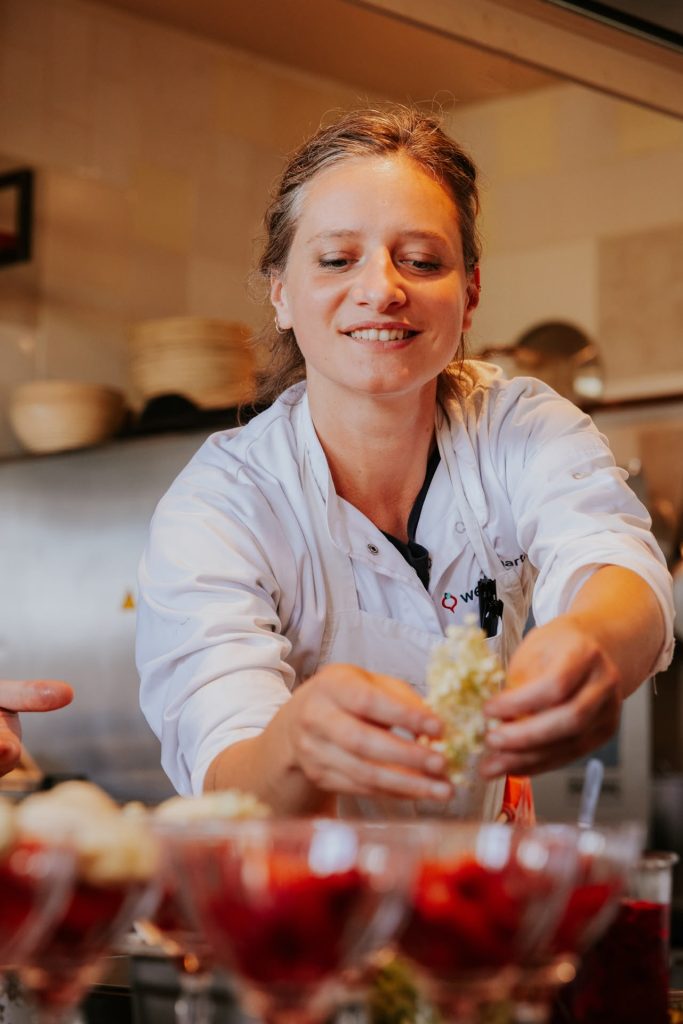
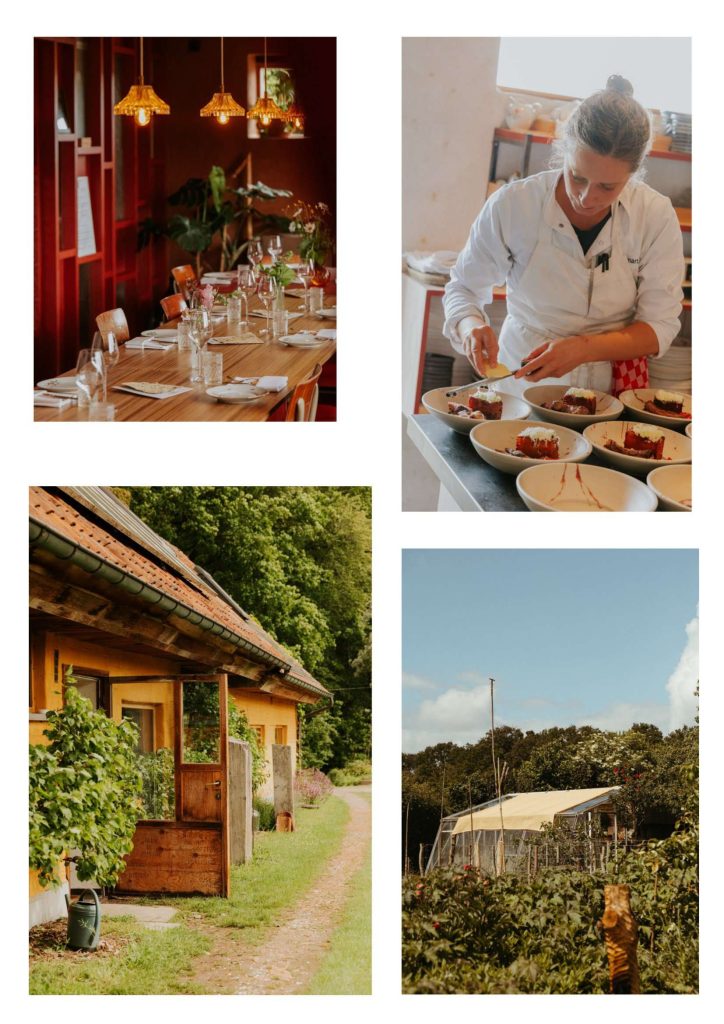
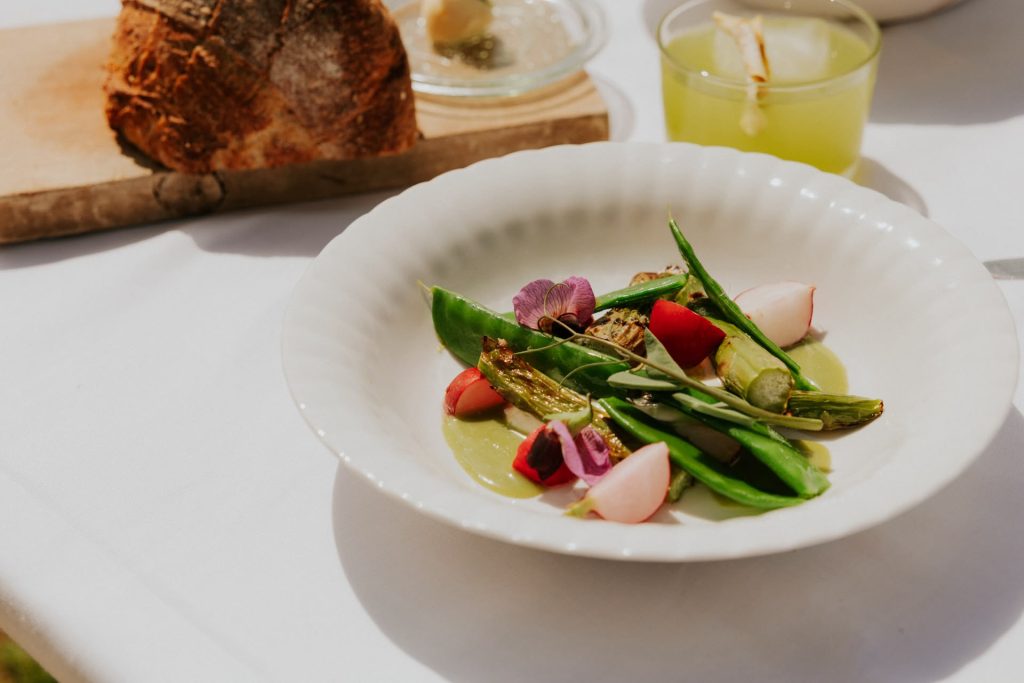
I’m Anna, a chef, farmer and founder of De Keukentafel – The Kitchen Table. Together with my sister, who takes care of the front of house, botanical drink pairings and wines, and my father, our farmer, we run a small regenerative farm, fine-dining restaurant and B&B in Belgium. Since last summer, we’ve been able to grow all our own fruit, vegetables and herbs. No more ordering produce!
This way of working requires a different mindset as a chef. Instead of deciding what I want to cook, I follow the seasons and the land, constantly adapting the menu to what is growing and ready to harvest. Wednesdays are farm days: we work the land, harvest what’s ready and create our menu around it. From Thursday to Sunday, we welcome around 20 guests to enjoy a fine-dining tasting menu built around our own produce. I strongly believe chefs can be agents of social change, inspiring people through food and convincing them through taste. What better way to make people curious about a different food system than by letting them experience how delicious it can be?
De Keukentafel started as my personal project during YIP 8 and slowly grew into something tangible and very real. Looking back, I see how YIP gave me the space and support to explore an idea and the courage to follow a path that wasn’t clearly defined yet. Today, five years after buying our farmland, we’re beginning to harvest the seeds we sowed. The harvest is abundant, interns come to learn from our way of working, our team is growing, and we’re finding our way into local political think tanks, the press and broader social debates. What started with a passion and a wish to change the world, without knowing where or how to begin, has become a project and a place that attracts like-minded people and inspires others to explore alternatives. It feels like we’re slowly becoming part of a bigger movement towards a more regenerative food system.
Written by Anna Wynant (YIP8)
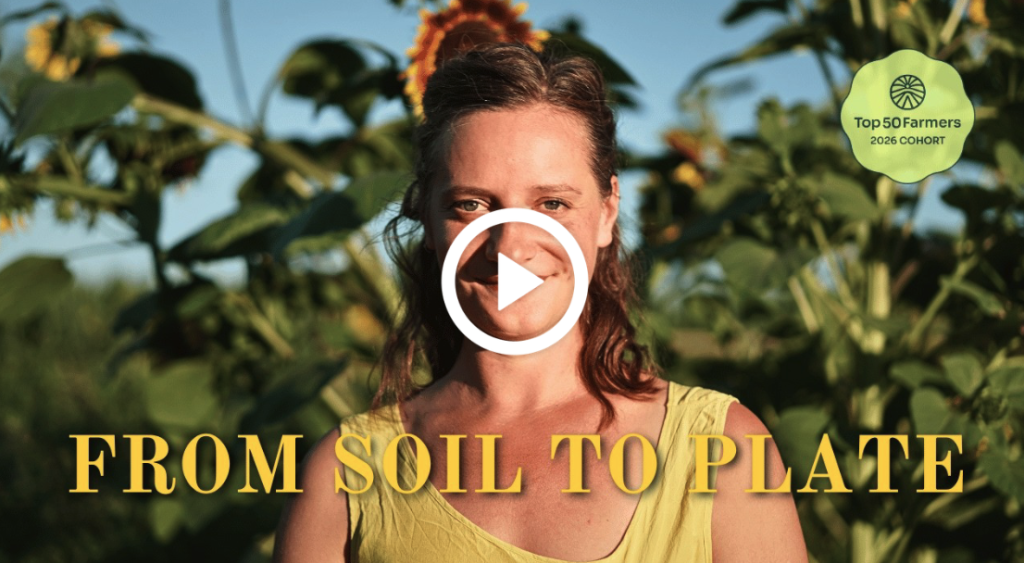
To more about Anna’s project watch the video below…
News from YIP
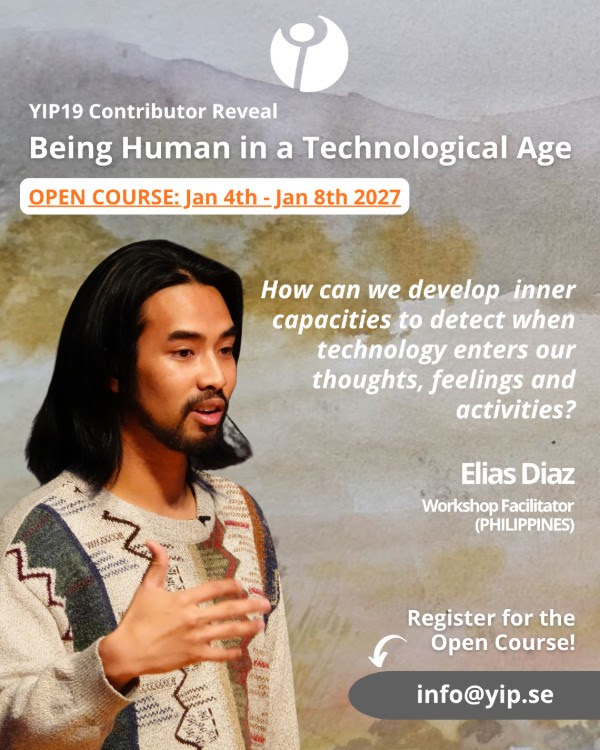
At YIP, some of our courses are open to the public. This course still has space for you to sign up! In the poster above you can find some information on the course’s content and you can find out more on our instagram, website or via email.
This course will take place in Xi’An, CHINA!
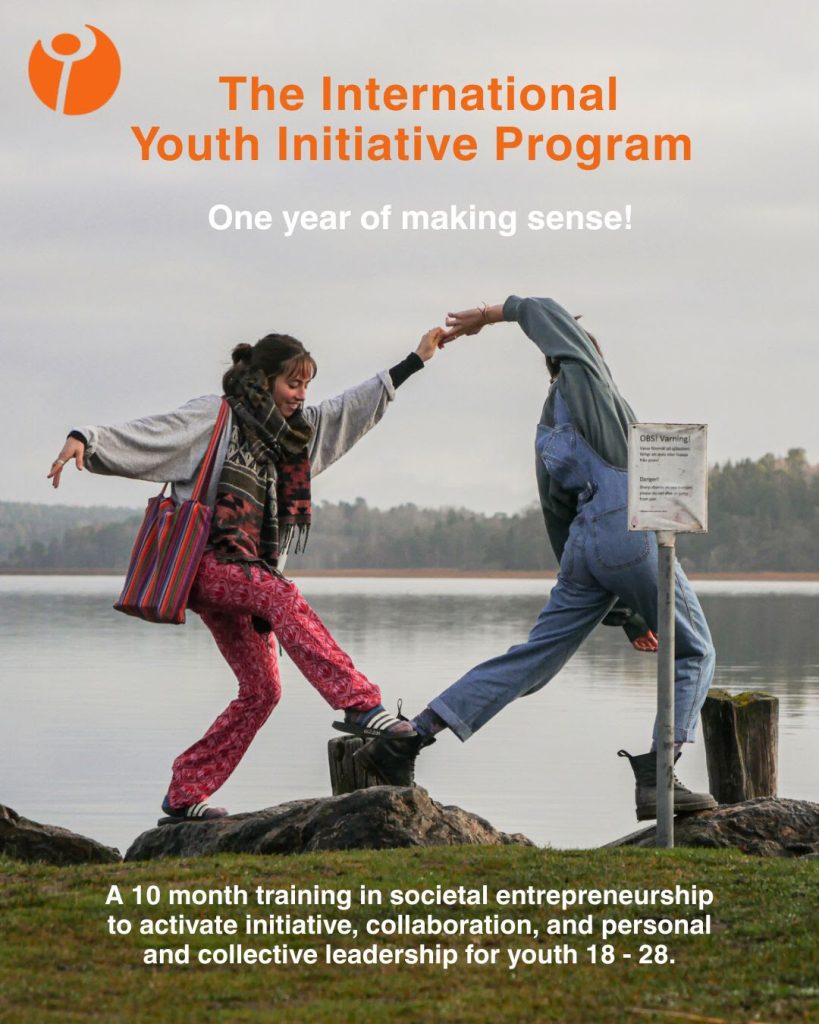
APPLICATIONS FOR YIP20 OPEN
NOVEMER 21st!
Thank you for reading!
Newsletter made by Ruby Botica