Harvesting New Beginnings – The Start of YIP19
Welcome to YIP19’s first newsletter; a September recap.
In late August, energy and warmth were gathered, in anticipation of the arrival of YIP 19. Faces unknown, relations unformed, stories unwoven; the forming of a new community and all its potential crystallized beneath the fading summer sun. The fresh green of this land and the blue reflected from sky to water, cushioned our meeting, and day by day we fell into place. Learning our orientations and relations amongst the web of things, of past and present that form this place and moment.
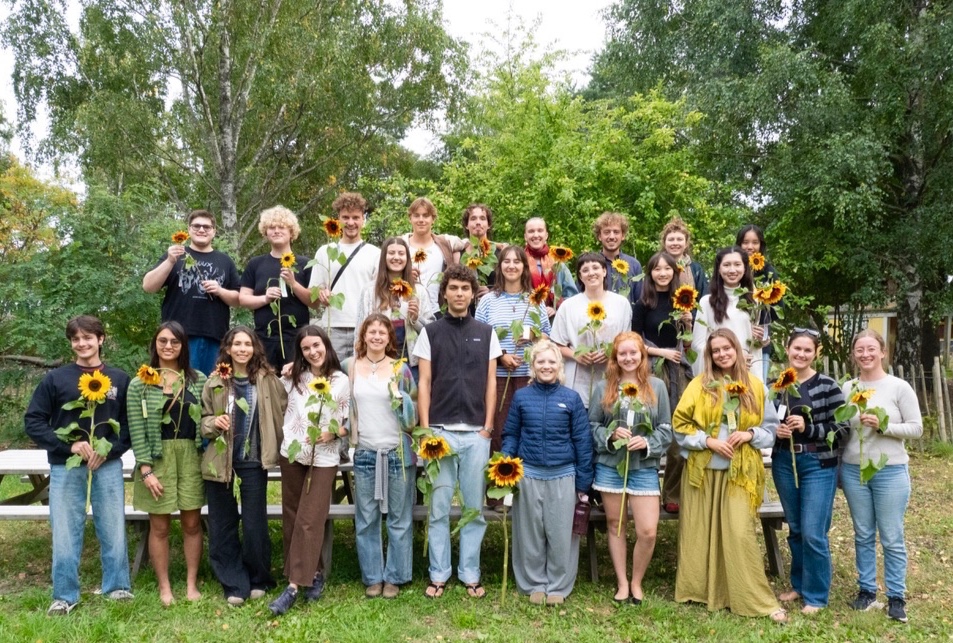
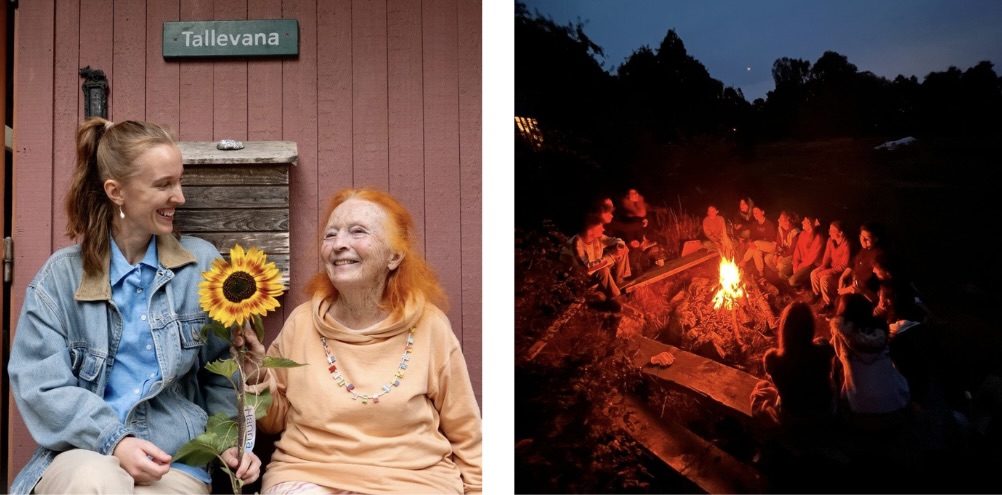
The opening ceremony assembled forces of reception for the new participants. Sunflowers, a piece from the land and sun, sat ready to welcome each participant. And here, the year began. We spent the first week meeting each other in many ways. We took time to land amongst ourselves, the program and the space. We began to weave a container that can hold and keep us warm as the sun begins to fade. The next week unfolded, in a wandering of the land, back and forth in many constellations. We heard stories of resilience and innovation from local initiatives. Inspiration and possibility grew as we were reminded that the task of global change can begin around us; in the soil, our relations, in care and creation.
Then, our community grew larger as new ideas, people and emotions infused the coming weeks. Contributors arrived, holding tools, colorful posters, spaces of sharing, and lessons of depth and vision. Impressions and imaginations sparked amongst us, as we experienced different ways of teaching. Learning through doing, through color and humor. Learning through discomfort, through stretching and growing. Learning together, listening and compassion flowing. We leave weeks three and four with the call for justice strong in our ears and the tools to listen, to harvest and share, ready in our pockets to be used with great care.
Our time together so far has felt far and near, and as time blurs collective rhythms keep us rolling. Rhythms of community create a container to nurture the needs of our surroundings, the garden, our bodies and community, so that they don’t get lost amongst the busy. Yippies are immersed in many beginnings, exploring what it means to be YIP19, to organize together and begin to reach their feelers out into the world. Afternoons are spent collectively working on the upcoming internships, the initiative forum and fundraising. Movement, gardening and creative sessions keep our inner worlds and capacities growing, grounding us into the present as missions and visions of the year to come keep forming. It feels a busy time, and I suppose it makes sense, as we move towards the end of the harvest time. The harvest moon reminds us of the rush to gather, working hard under the remaining light to harvest growth and to tend to the beds, allowing them to rest easily so life can flourish in months to come.
I hope you enjoy this newsletter, with words carefully crafted by Yippies, and precious snippets of their reflections and wisdoms. Thank you for your interest and attention, supporting us from afar (or near!), and I hope this read brings you inspiration.
Written by Rosie Froome
In this newsletter you will find:
- Introduction and Landing
- Reflection Hanna Turén
- Local to Global
- Reflection by Kayla Russell
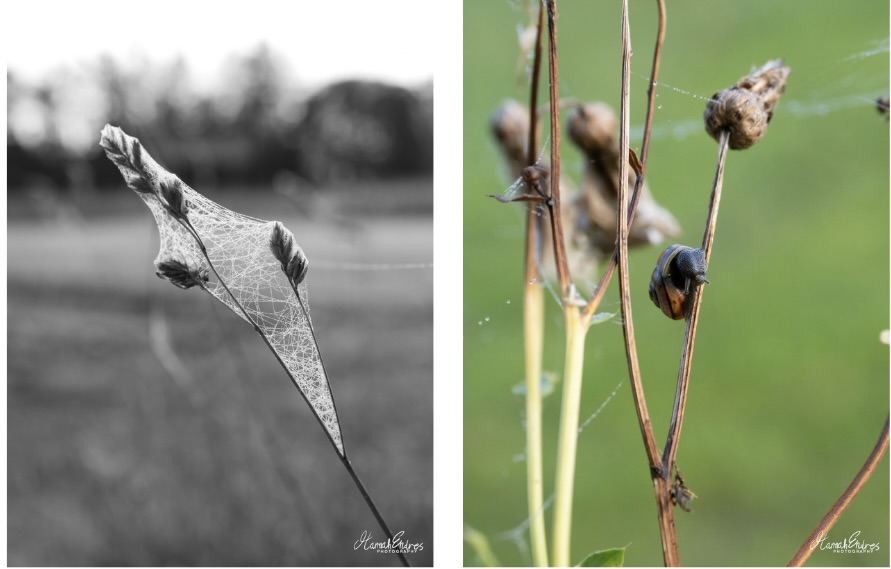
- Photographical Reflection by Hannah Endres
- The Art of Hosting and Harvesting Conversations that Matter
- Reflection by Shan-Yun Liu
- Reflection by Erik Ranea
- Power, Privilege and Oppression
- Reflection and Art by Marilieke van Hees
- Introduction to Gardening and Biodynamic Agriculture
- Reflection and Art by Vibeke Timmenga
- Reflections
- Poem by Vibeke Timmenga
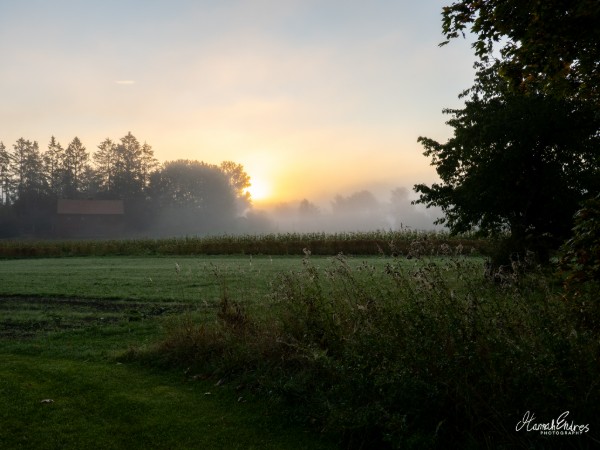
- Photography by Hannah Endres
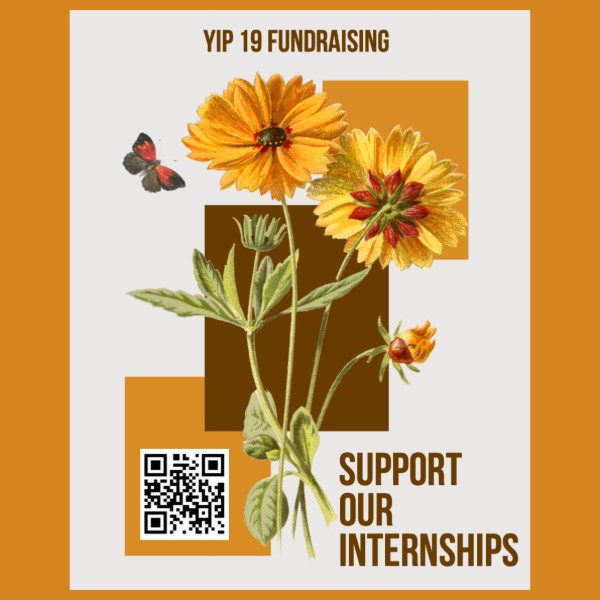
- Internship Fundraising: a message from YIP19!
- Alumni Update: an interview with ‘The Collective Wisdom Camp’
WEEK 1 : Introduction & Landing
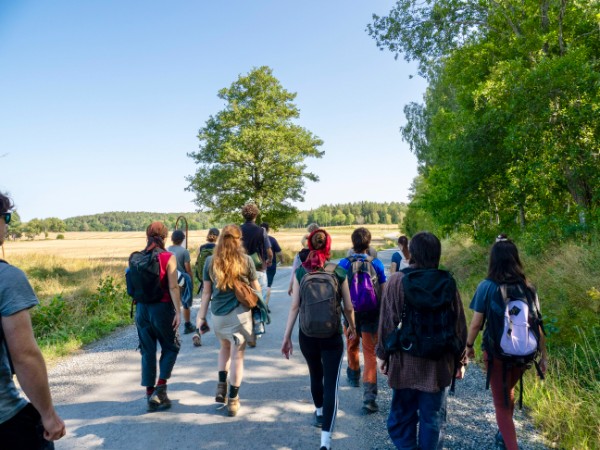
My feet were the first of YIP19 to arrive at Tallevana – part of the nineteenth group of young people to settle into this building of stories, memories, and history. So many have passed through these walls before us, each transformed on their own journey of becoming.
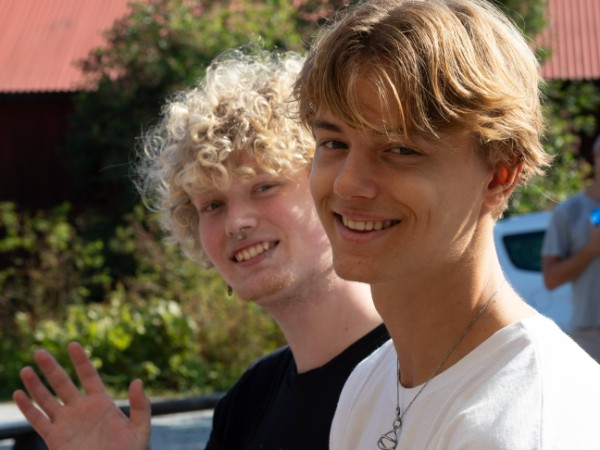
And now, us. A bunch of individuals brought together to form a group, at a certain place and at a certain time. Soon, the quiet space started to fill with new voices, languages, instruments, and questions. The common room buzzed like a beehive with new ideas, thoughts, connections, and stories yet to be written.
What is your name? Where are you from? Cool! Can you repeat, please?
The surrounding landscape became a big part of the Introduction and Landing, with misty and crisp mornings, rainbows, and cold dips in the Fjärd. Dinners were held outside Almandinen, catching the last rays of the August sun, blessed with an abundance of vegetables planted by YIP18 in the garden back in spring.
One of my biggest learnings from the week was that arriving takes time. Even though I myself have called this area home for many years, there were still new things to discover. Arriving was not only about learning names, schedules, and practicalities, but about adjusting to new people, new rhythms, and ways of living together.
And sometimes learning is very practical: How do you fix a soup when you accidentally add twice as much garlic as intended while cooking for such a large group?
The first week seemed to exist somewhere outside the usual rules of time. The days stretched out and blurred together, and somehow a week became a month and a day all at once. The Introduction and Landing reminded me of a seed. It contained something from the past, while also holding an unknown future. We each arrived carrying our own backgrounds, experiences, expectations, and rhythms. At the same time, we began becoming part of the shaping and forming of something new.
Games were played. Songs were sung. Walks were walked. Conversations unfolded, and belly-hurting laughter was had. Past, present, and future merged into a melting pot, twisting and turning around curious minds. The Sturgeon Full Moon and a bonfire outside Tallevana on Friday evening marked the end of the beginning of a ten-month journey.
Yip, Yup, Yippie!
YIP19 is happening and in full swing. We have arrived, but we are still arriving.
What an adventure lies ahead!
by Hanna Turén
WEEK 2: Local to Global
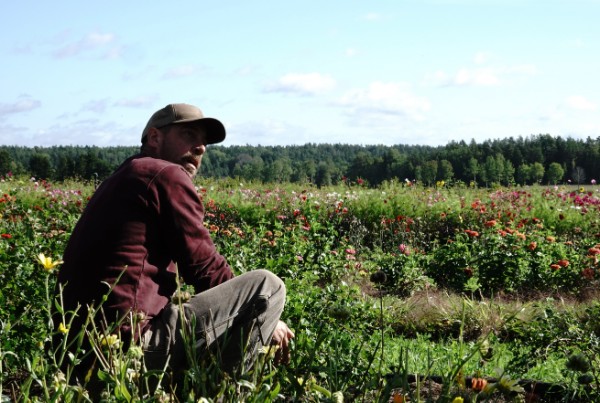
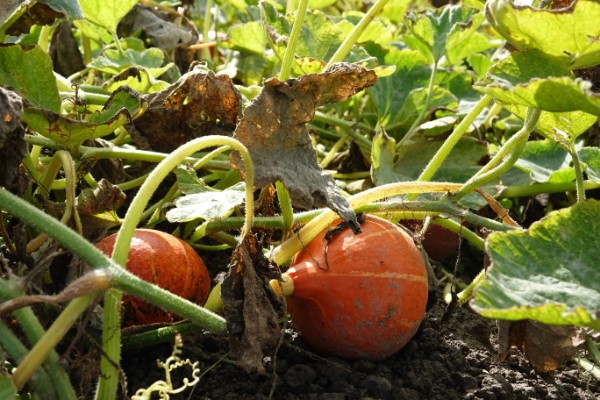
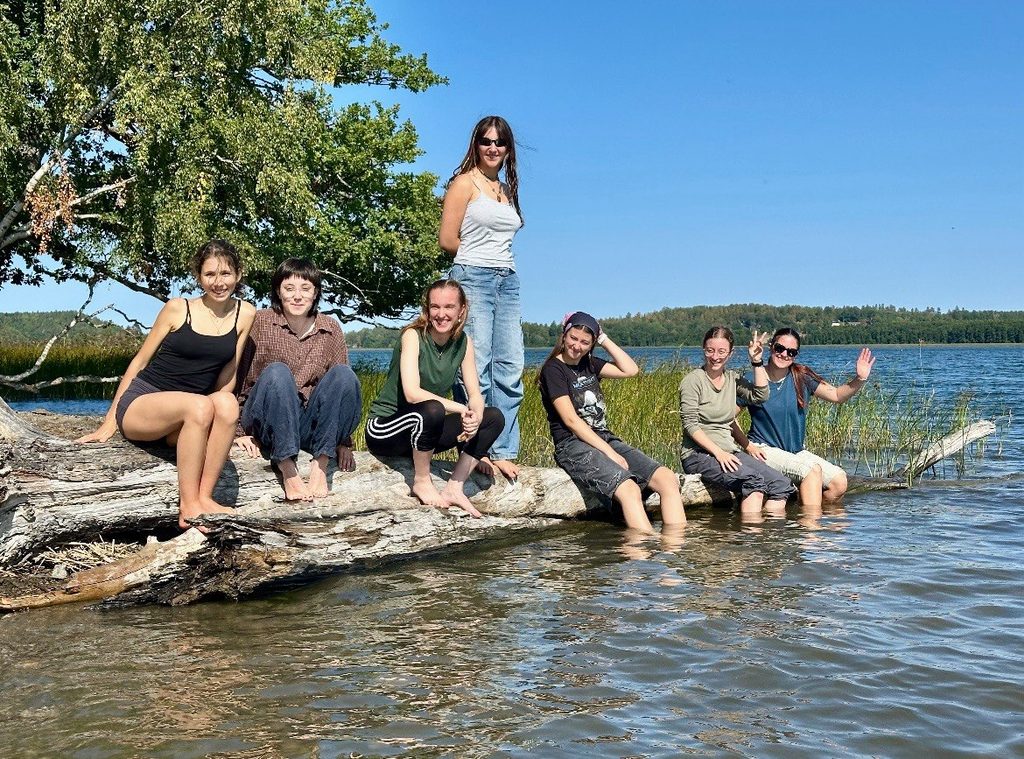
This week we learnt more about local initiatives happening in the area. On Monday we visited Skäve and got a tour of the facilities, cafe and garden. Skäve is an initiative that employs, houses and provides services for adults with disabilities. Whether it be helping out in the garden, cooking or working in the cafe, Skäve provides lots of opportunities. We then visited the Ekobanken and received a wonderful tour of the bank and heard how the bank functions under a sustainable model. On Tuesday we ventured into the woods and visited Per Ahlbom, to learn about alternative education that lets the children have a say in what they learn and utilizes nature as a teacher. On Wednesday we then learned about Biodynamic farming at Skilleby and saw how much attention and care goes into growing good food. Thursday was focused on anthroposophic care and medicine along with a visit to the Vidarkliniken, a former anthroposophical care facility focused on natural healing, that has unfortunately closed its doors due to changes in regulations. On Friday we focused on art and architecture on campus with a visit to the Kulturhuset stage to learn about the symbolism and meaning behind the intricate wall mural and glass windows. After this we got a campus tour diving deeper into the history of the campus and the buildings.
This week I learnt about alternative education and banking. I really enjoyed learning about the Ekobanken, how sustainability fits into banking, and how a bank can have values and not only be focused on profit. Although I still have questions about the practicalities of this model I find it fascinating. The visit to the Vidarkliniken was my favourite part of the week since it was so refreshing to see a clinic where every part was designed for care and healing. From the lovely pink exterior, to the beautiful artwork found in the clinic, I could feel that this was a place that really helped people. Every room in the clinic had beautiful windows allowing nature to be viewed from every single bed. There are even different colours painted on the wall depending on your condition and what you need, red for if you are cold or blue if you are feverish. I was amazed about the amount of detail that went into the creation of the clinic and how even since its closure, a group of previous nurses still volunteer to clean and maintain the place every week.
by Kayla Russell
A Photographical Reflection
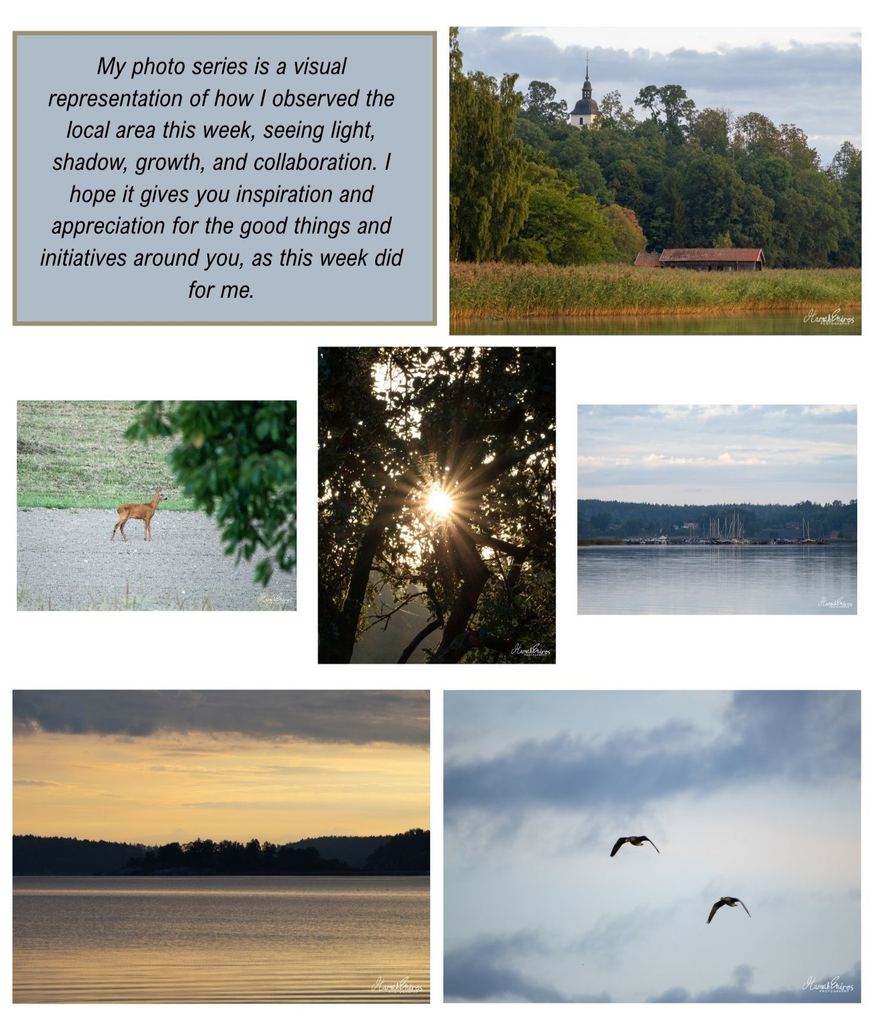
The past week was focused on local people who run initiatives that contribute to doing good for the world.
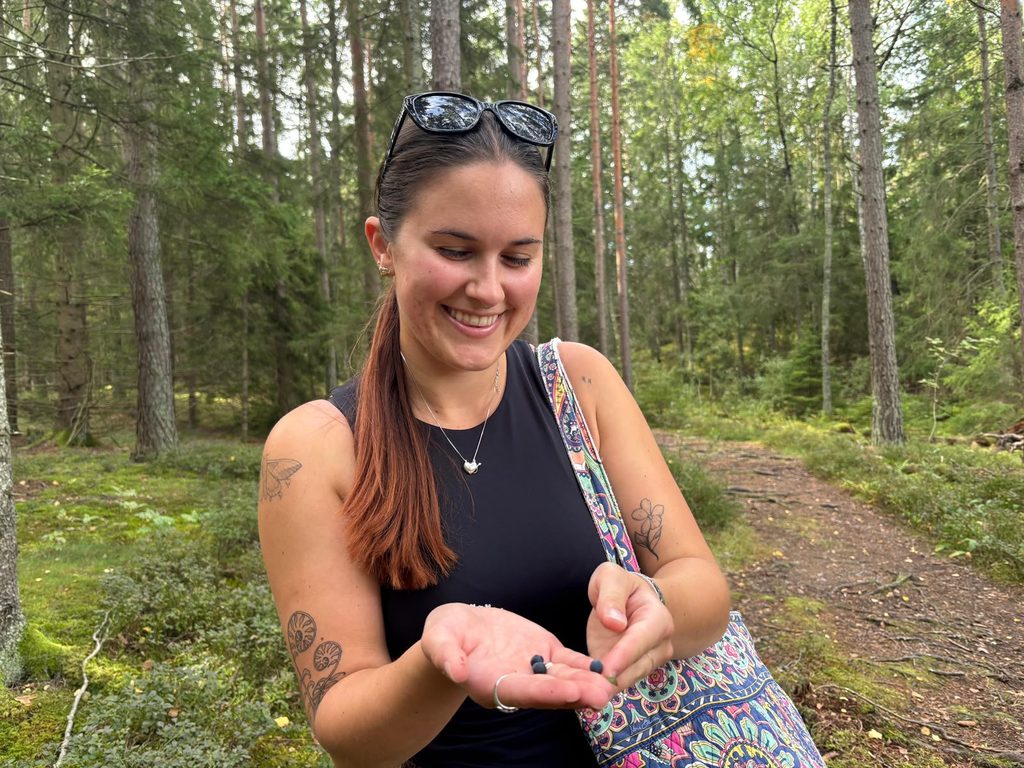
We visited a biodynamic farm, an alternative education space, a social therapy organisation, and learned about Anthroposophic medicine and care. Each initiative not only holds space for the environment, but also for the human being on a physical and spiritual level. I found it inspiring to hear from each project and how we can do good as individuals to contribute to the global issues we face today. My main takeaway this week for starting initiative projects is to find people who share the same motivation and values, because community is key to turning an idea into action.
Words and Photography by Hannah Endres
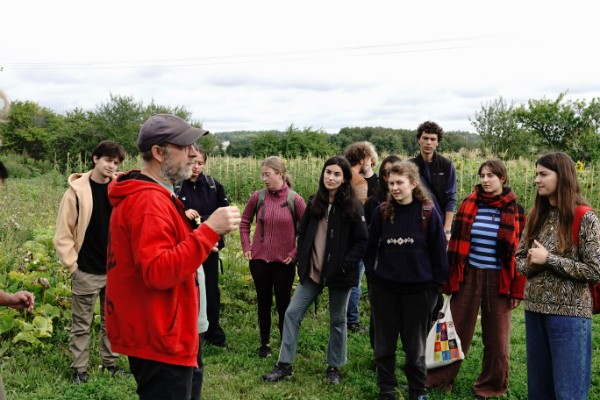
WEEK 3: The Art of Hosting & Harvesting
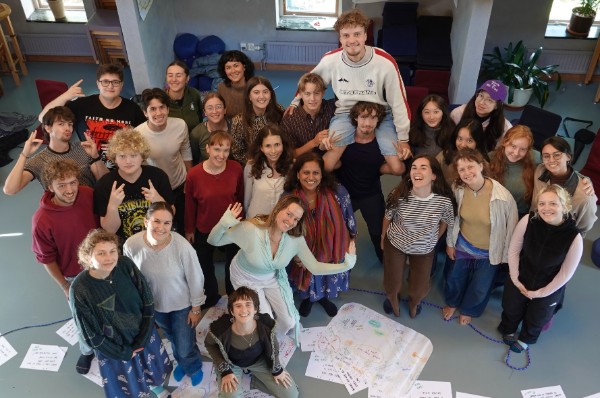
Art of Hosting — How to host? How to ask questions? How to reflect and internalize what we experience?
This week’s learning journey followed a cycle, from a seed to growth and finally compost for new life. We learned to listen with an open heart, explore our roles in groups, and most importantly, practice hosting. We discussed how change can begin with small actions close to us, then turned inward through reflection in nature, letting go of what we no longer need and carrying the nourishment forward.
My biggest challenge was (is) a smooth and relaxed use of English. From listening and speaking to hosting, everything felt difficult. When I hosted the Collective Story Harvest, I panicked and forgot everything I had prepared.
The same thing happened again when I hosted the Circle.
Despite the unexpected ups and downs, I gained a lot. Most importantly, I finally found the courage to take action on something I truly wanted to do but had been afraid of — bringing music to more people. Hannah’s question,“How do we start doing good things?”, made me rethink what I can do for the world. I cannot promise to create a huge change, but I believe a little music and a little care can bring colour and warmth to someone’s life.
The important thing is to remember what I truly wanted to do before my worries covered it. Starting is not actually that difficult.
The difficult part is letting go of fear and moving forward.
Initiative. Host. Take action. Start now.
by Shan-Yun Liu
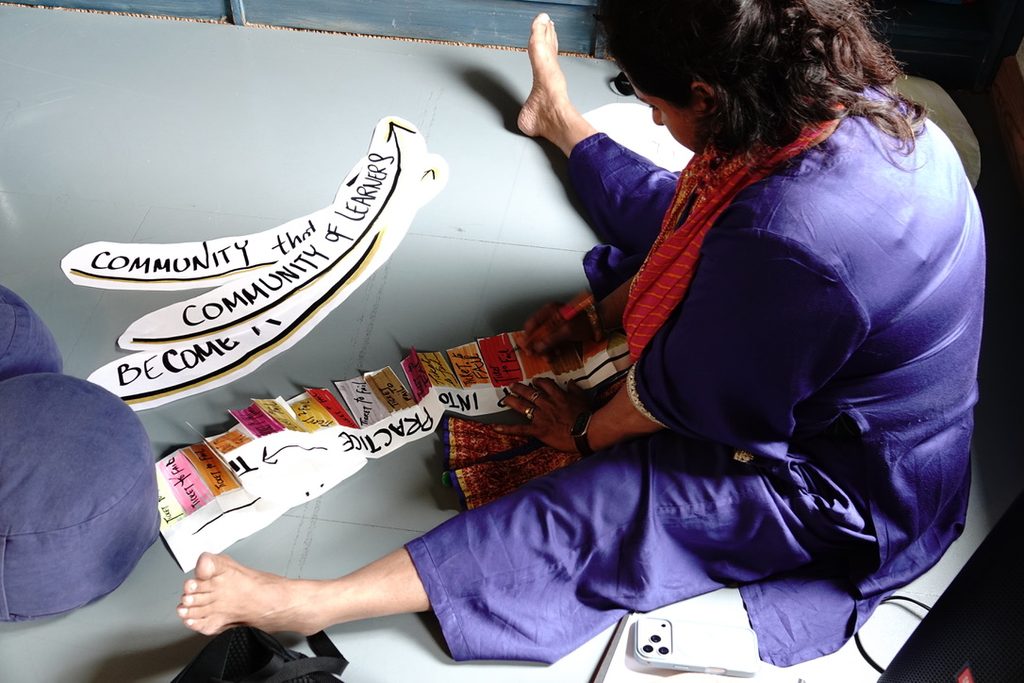
This week has been inspiring. Who would have thought that this week I’d come to understand why hosting is an Art. For a start, the week began with an understanding of how the life cycle is in everything related to life, including projects, events or anything created by humans. Then, the contributors taught us one of the most important tools for creating anything, how to listen to each other. It was really illuminating, because I thought that I knew how to listen, but I was pleasantly surprised. After that, we continued understanding the foundational practice of the Art of Hosting – The Four-Fold Practice. This practice helped us to create a roadmap, starting with self-hosting and leading up to being able to co-host a community.
To put all this theory in practice, we had to choose an activity to host. In my case, I hosted the Open Space Technology. It is a method for organizing and running a meeting or multi-time conference where participants are invited to host their own topics in any place, any where, by anyone. If you aren’t a host, you can join in to the conversations as a listener, or actively participate in the conversations without the pressure to stay in the conversation, having the option to go to another new conversation. It was something special for me, because it was my first step sharing ideas in front of people in a new language. The pressure I put on myself to do it perfectly weighed on me a little, but the contributors shared with me the special keys to make it possible: “Never host alone”, “Explain simple and clear”. These two simple sentences helped me feel confident and express the concepts fluent and clearly.
All of the methods that we hosted, were different practices of the concepts that we learned across the week. Learning how to harvest an idea, take the first steps toward turning that idea into a project, find the resources to move the project forward, find comfort in the discomfort of the creative process, and ultimately carry out the project. In this way, we create a life cycle for our own ideas, showing us how to navigate each phase.
This week has been a lesson in humility. It has reinforced the feeling that I always have to remain an apprentice. Feeling comfortable with a subject is no excuse for not continuing to learn and grow in that area. Now I know that when I feel comfortable, it’s a sign that I need to take a step forward, step out of my comfort zone and keep learning.
by Erik Ranea
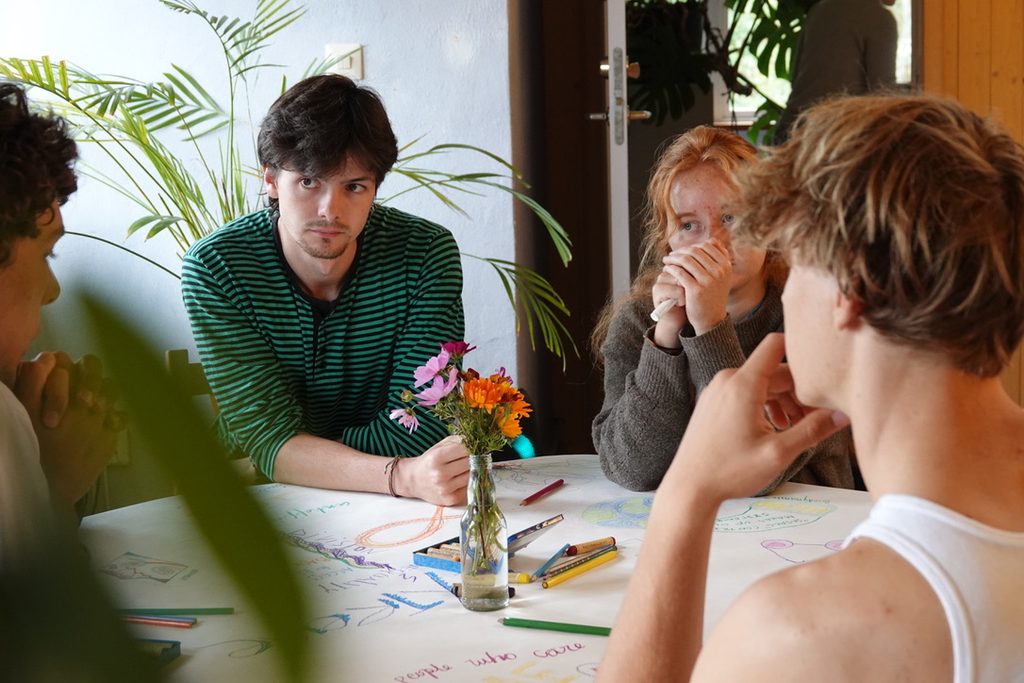
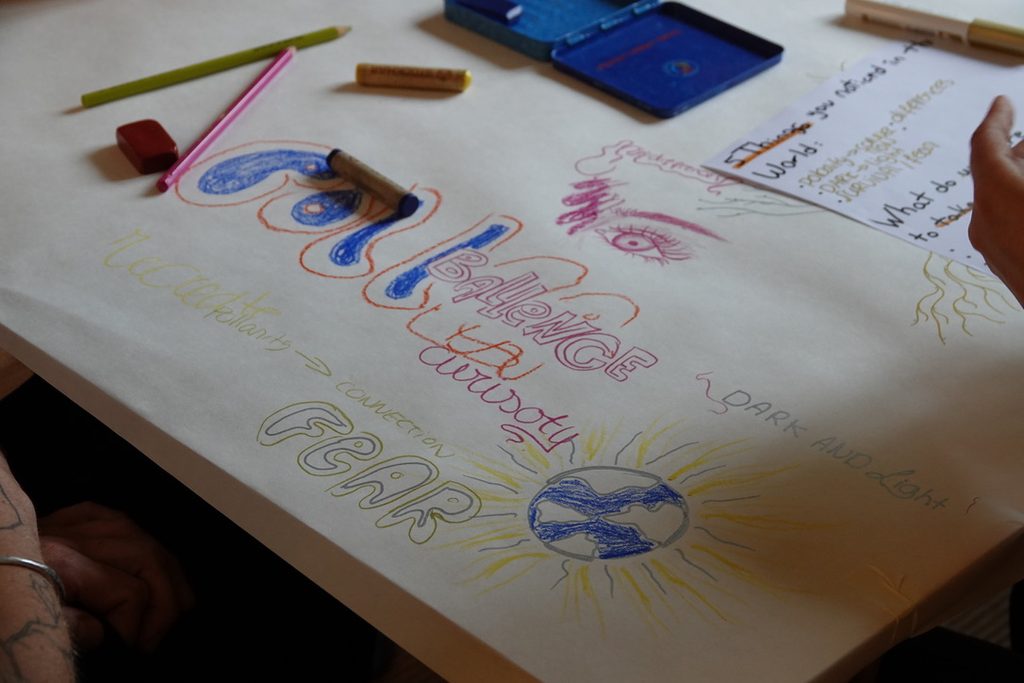
WEEK 4: Power, Privilege & Oppression
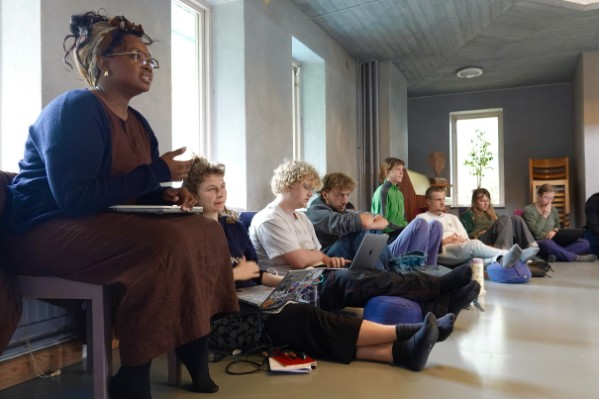
For me, the week was about creating awareness of our own privileges as well as the parts of our identities that are marginalized. We explored these topics through open conversations, games and spaces to listen, share stories, and reflect. This week, having an open mind was very important; never judge a book by its cover since we do not know what someone has gone through in their life, despite their social, economic, or cultural backgrounds. This course has opened my eyes to how much oppression still exists in the world today. We discussed different micro-aggressions directed towards minority groups, this included jokes said to women and their “duty” to cook and clean. These comments are not small, they reveal how the patriarchy exists but is frequently dismissed to uphold this system. These are some of the many major points I learned this week. What I am taking away from this week is expressing my voice even if it’s uncomfortable, I want to break the silence that I have experienced in my life. We are all responsible to create change in the system, by making choices that align with how we want the world to look.
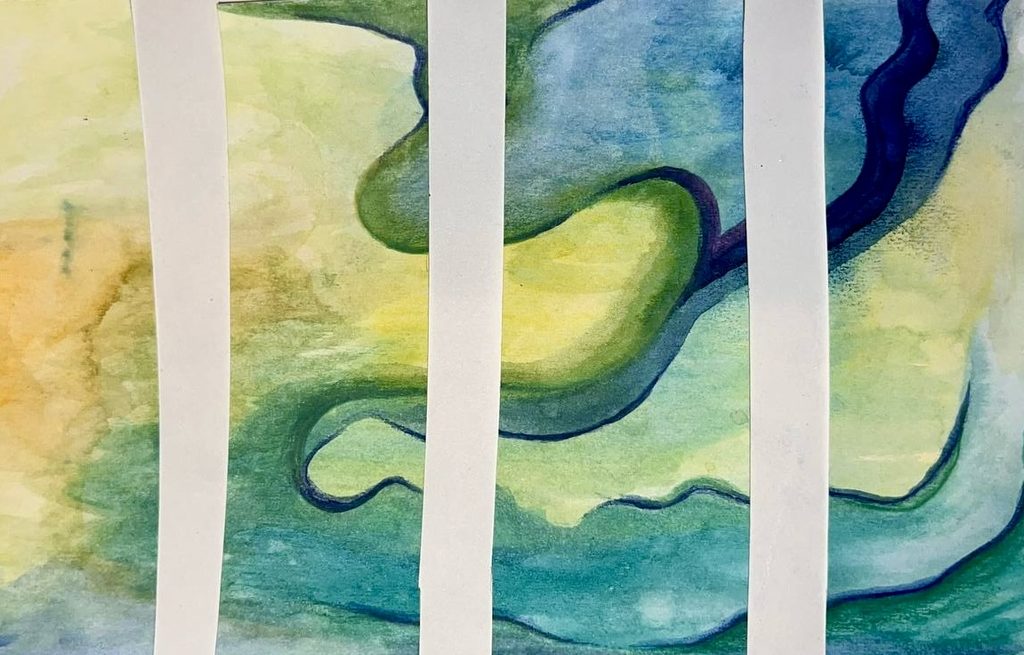
“My watercolour painting is about collecting, one by one, the puzzle pieces that are shaping my awareness and perspective on life, creating my own flow step by step. As you can see, each piece leads to the next, and together they create more and more flow in the painting; A creative reflection on how I experienced the course.”
Words and Art by Marilieke van Hees
WEEK 5: Introduction to Biodynamics and Gardening
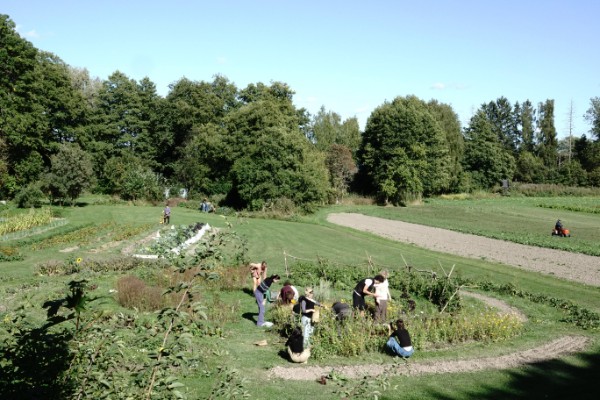
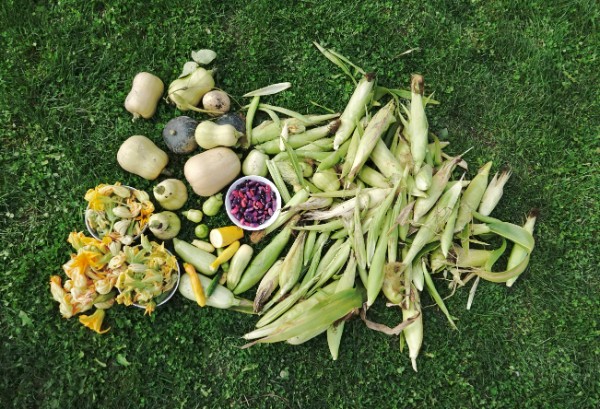
It’s week 5 of our YIP adventure and for this week we were visited by Martin Fellkvist to learn about Biodynamic agriculture and gardening. Martin is an incredibly experienced though humble farmer, running the Skilleby Trädgard for over 20 years. Located just 10 minutes up the road from the Ytterjärna campus, the farm not only produces the most beautiful and vibrant-coloured vegetables (that are sold to several restaurants in Stockholm), but additionally opens its doors in the form of a restaurant and farmer’s shop in the summertime. Picture something like this: a red Swedish barn decorated with spiralling vines, healthy beds full of fresh and diverse crops, a herd of sheep happily greeting you, while in the front locals are mixing with Stockholm visitors, enjoying what it means to eat and live well.
It was quite a special occasion for Martin to visit the YIP program as a contributor, as it took the Organising Team nine years to convince him to stand in front of the class. We had four mornings to learn about the mystical and fascinating art of biodynamic farming with Martin. Obviously, we wouldn’t find ourselves mastering the wide diversity of biodynamic agricultural practices after only one week. But it is safe to say that this week’s teachings were quite spot on.
We started by understanding the difference between the conventional farming industry, and the art of biodynamic farming. The conventional farming industry is a highly-polluting and destructive system, using many substances such as: pesticides, herbicides, fungicides and fossil fuel-based fertilizers. The pesticides, herbicides and fungicides are very efficient at killing insects, plants (often referred to as ‘weeds’) and fungi, leaving the soil and surroundings (at least on microbial level) ‘desert’ like. Where the soil once was life-giving, you are left with a fully depleted ‘substance’, needing big quantities of fertilizer for the GMO (genetically modified organisms) seeds to sprout and grow. There is much more to be said, but it comes down to a very calculable technique, based on high levels of control.
The art of biodynamic farming is hardly comparable with conventional farming practices as described above. Instead of dividing and controlling the land, I learned how biodynamic farmers work with a living organism and approach their farm from a relational point of view. The soil is honoured, the insects are greeted, the mycelial fungal webs are welcomed and in return the plants thrive. It is in this process of seeking relationships, where Martin’s invaluable knowledge comes in. By listening to Martin, it became clear how working in close relationship to the land for many years, resulted into a deep level of attentiveness to the subtleties of the natural systems and cycles so crucial for farming. One day we spent the entire morning looking at prints of trees Martin had brought with him to class. The prints showed us how trees (and plants in general) dynamically react to their growing environment, resulting in a diversity of morphological shapes and sizes. Understanding the interrelational why’s behind the way nature moves and grows (think of soil x sun hours x shadow x wind etc.), requires this attentiveness with which Martin seemed to move through life.
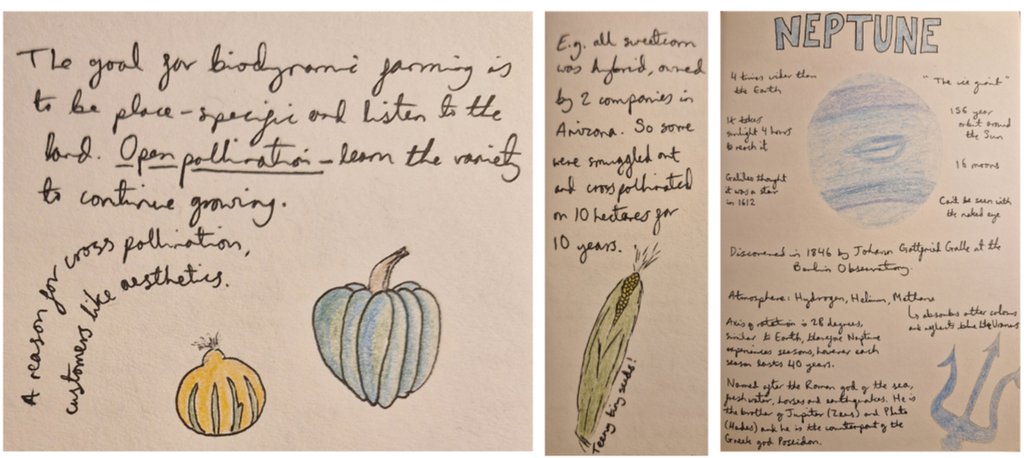
On a different day we discussed the topic of seed saving, which was of great interest to me. The global seed market is ‘owned’ by a few big companies running the daily realities of many farmers worldwide. One such company is Monsanto, selling ‘terminal seeds’ as well as the controversially known pesticide Roundup. Terminal seeds refer to seeds (GMO) that are designed to grow only one line of viable crops, as the seeds produced by such plants are ‘dead’. This means that farmers become dependent on these companies, requiring them to buy new seeds every crop year. In this way the natural cycle of plants is broken, and their generous gifts to maintain life (the seeds) is commodified to serve the purpose of the market economy.
Seed saving is a way to move around this system in which so many conventional farmers find themselves in. By carefully selecting, drying and saving his own seeds Martin engages in the natural cycle of life and creates resilience. As we’ve learned, plants adapt to the specific environment in which they grow. When they reproduce they hold the memory in their seeds, giving life to a new generation. Imagine this cycle repeating itself over many years, each generation adapting a little more and little better to the land. Until those seeds are in a process of becoming more and more attuned to the fungi living in the soil, a tree casting its shadow in the later afternoon, the insects dancing on a hot summers day. This is what it means to grow locally, to claim that the carrot you grow is from here. Martin’s produce is as local as you can get.
I did not conclude this week claiming to understand biodynamic farming, let alone to be a biodynamic farmer. As I’ve learned, the art of biodynamic farming exists only in close relationship to the plants, the animals, the soil, the land. It is by doing, not talking, that one can engage in the true art of farming.
by Vibeke Timmenga
REFLECTIONS
Poetry Reflection
Once I saw a river flow
Wild and loud
I saw it go
The world seemed
to fall away
Only the water
was there to stay
As I stepped into the stream
The water changed
Before I’d seen
The shapes and forms
The sounds reformed
The forces pulled
I tried to grasp
The branching arms
The stony heads
So eager to anchor down
Resistance only broke
the sense of ground
I spread my arms
and flowed instead
Along the riverbed
“The poem resembles the arrival to a new place. Where one hasn’t rooted down yet, and where the unknown creates chaos in all aspects of life. Within this dynamic movement we are likely to hold on to our understandings. But if we instead let go, we enable ourselves to flow into a transformational stream.”
by Vibeke Timmenga
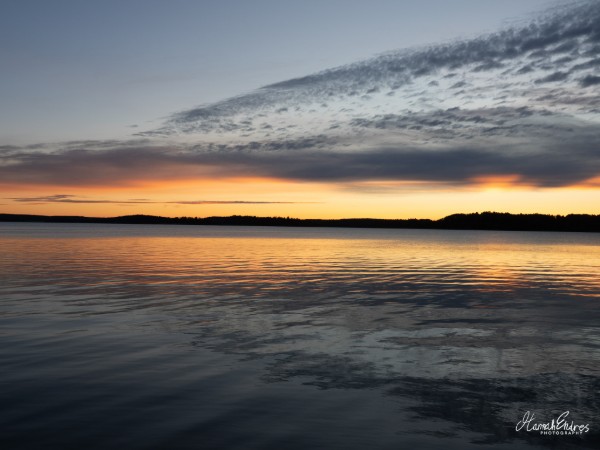
Photographic Reflection
A Message from YIP19
Dear alumni, family, and friends,
We would like to ask you for help.We’re heading off to our international internships in February 2027. The internships are one of the foundational aspects of the program, offering us the possibility to work with an organisation, business, or initiative that is seeking to implement the ethics, motives, and ways of being and working that we explore during YIP. This gives us a real-life, hands-on experience of what it can look like to work in an initiative that strives to take on some of today’s challenges in the world. We co-design this learning journey ourselves, in small groups, focusing on our personal intention, and the needs of the place we go. Some of the places we are interested in are Holy Green Agro Farm in Nepal, Navdanya Biodiversity Farm in India, Matica Farm in Serbia, Síolta Chroí farm in Ireland and the Youth Section in Switzerland.
Why do we need your support?
The travel, accommodation, and costs of these internships are not fully covered by the program. To make this experience possible for the whole group, we’re asking our own networks to contribute. We need to raise 10.000 euro/115.000 SEK to cover everyone’s costs.
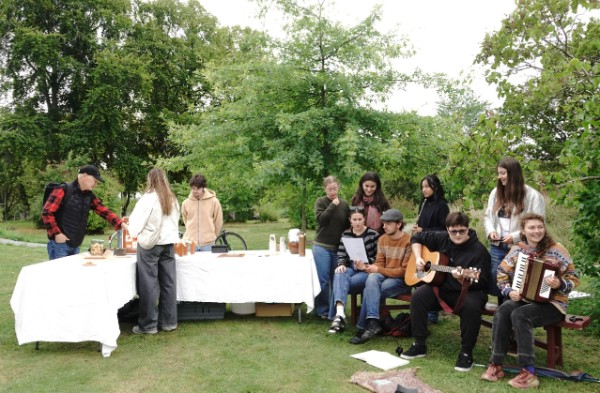
We are engaged in multiple fundraising activities. We already took part in two organic markets in Skillebyholm by selling apple products and singing with our recently formed band. Our future plans are tp host a retreat, a film screening, a raffle in Ytterjärna, and maybe more. We warmly invite you to join any of these events. If you are interested you can message us via email: [email protected] or instagram: @yip19.official.
A big help would be donating via GoFundMe. Every amount helps, big or small. And if donating isn’t possible right now, sharing this fundraiser also helps enormously.
Thank you so much for reading, and for supporting all of us on this journey.
With gratitude,
YIP19
Alumni Update: The Collective Wisdom Camp
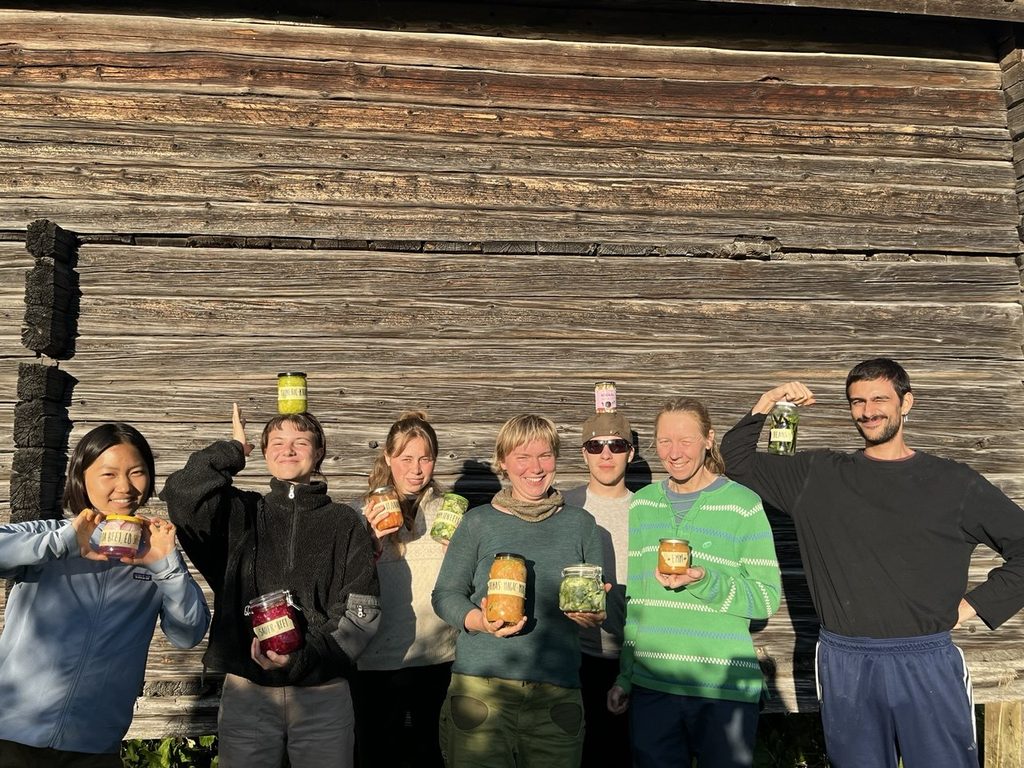
An Interview with Freya and Alice; the creators of the Collective Wisdom Camp.
Today I sat down with two dear friends, Freya Knierim and Alice Fälkestrom, to hear about their initiative ‘The Collective Wisdom Camp’. This August they hosted the first iteration of the camp and have many learnings, reflections and ideas for the future. Here you can read some of our conversation…
R: Can you introduce yourself?
A: Hello, I’m Alice. I was in YIP18, and now I am an alum. I’m from Northern Sweden (Jämtland) but have grown up outside of Sweden and am learning to find my way back to home in Sweden.
F: I’m Freya, I was also part of YIP18. I am coming from the South of Germany originally, I haven’t lived there for quite a while, but am going back there soon.
R: How does YIP live on in you?
A: I think it lives on in the desire I have for rhythms in my life, how I want to structure my life and what matters. YIP made me realise what makes me feel good as a person and how to incorporate it into my life. Really, sometimes it feels very basic, but realising I need a good social environment, I need movement, I need to feel meaningful, being engaged philosophically or spiritually.
F: In a way, I think YIP gave me an understanding of a way of living that incorporates how I want to contribute to the world. For example, in small aspects of how I live my daily life, for example I wake up now and think about what needs to be done in the space I am in, so starting my day with service. But it’s also the bigger things of ‘What do I want to do?’ or ‘What impact do I want to have?’ in the community, my surroundings, the world and society, and how can I actually reach it, so being aware of my contribution.
R: Can you introduce the Collective, Wisdom Camp (CWC)?
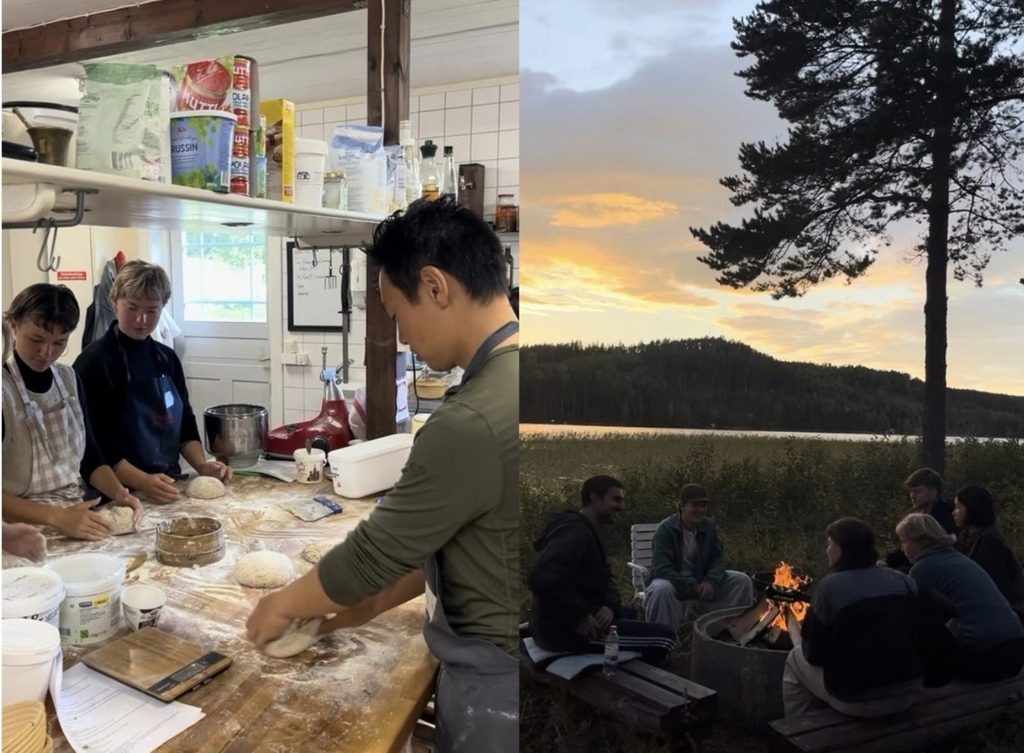
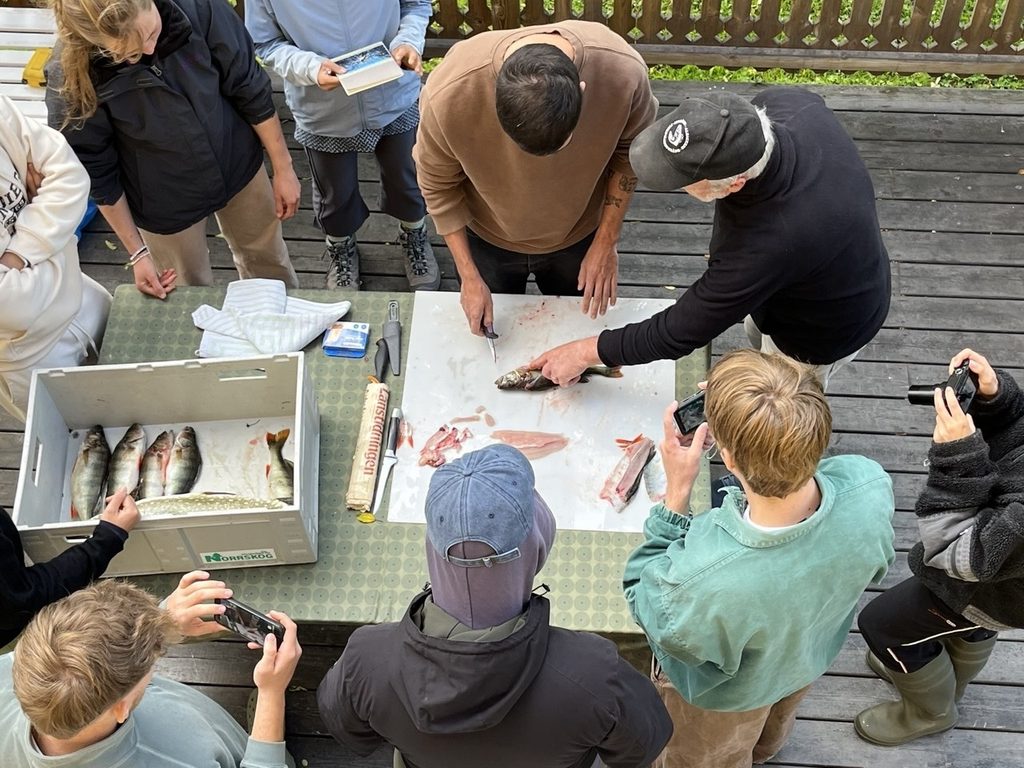
F: I would say the CWC is a month-long learning and community experience for young adults, in community and a different way of living. We focused on traditional practices taught by members of the local community, such as different crafts, traditional baking and conserving. And hands-on learning on an old farm property that we just started to tend to.
R: What needs in yourself and the world was the camp trying to meet?
A: The group that we got to know, it was calling them all for different reasons; everyone made the experience for themselves. I think I brought the thoughts of what it does to you and your health and mentality, to feel like you are an agent in your life, and your life is a scale in which you feel you belong, rather than being so big that you feel small. And I think you, Freya, carry a lot of this: ‘How do we step into action and bring agency to ourselves so that we can be of service to what needs to happen in the world?’.
R: Now the camp, or at least round one, has finished; what are your reflections? So, reflecting on what you intended to start cultivating, how have you seen this manifest?
A: I think it definitely feels like this, in some ways, is opening a door; it’s just a month, so it’s more something we want people to carry forward. So, we learn all these crafts and all these relationships to your own daily life that builds agency and sufficiency for yourself. The camp felt like people were able to experience an array of things and see what ignited in them to carry forward, and maybe this one element of their life, for example, taking more initiative in fermenting, making sourdough or woodwork, is one little element of what it does to you to have that routine and aspect in your life for your own wellbeing, but also as an act of protest as we become less reliant on big systems…
F: Looking back, I think it was very important for the group that came to have a break from their daily lives, getting out of routines or systems that didn’t serve them. One participant was saying how this group almost felt like family; he could be who he was, and he felt held and safe and how important that was for him. For someone else to feel like ‘woah, I can create ’, and someone else got very inspired by being close to nature again. All these things we might know would be good for us, but just running and living our life and not having the time to really change patterns, so having this break of a month to be in another setting, I hope helps. This is also why it is important that it is a month; for sure there is a lot that you would like to put into it. But a month gives the possibility for people who can’t or don’t want to commit to such a long programme; can get a glimpse of it and maybe get inspired by it.
R: I know and saw that this spark arrived within YIP, but can you explain this journey to us?
A: If you look at the camp, there is so much inspired by YIP, the routines, for example. But I think on a different level, for me YIP was very eye-opening to other ways I can live; really coming to realise how important it is to take action on a small scale really came up for me, that small-scale impact is just as important, if not more. Because you have localised wisdom that you can’t scale up. For me, feeling like I don’t need to make an impact on this big area, but I can make an impact on this village, I can build a relationship with the people there that inspires them to continue doing their crafts, and I can make an impact on 10 people and that being such a meaningful thing.
F: I am always saying the idea found us. YIP was the vessel of it all happening; we met at this programme, we got the time to reflect and think about what is important to us and what do we want to contribute to the world, and the CWC became our personal initiative. It all began when we met as roommates in the beginning of YIP, and it should happen that we also went on our internship together to the Holy Green Agro farm in Nepal. On the internship, we experienced the importance of the local community, hands-on learning, farming and all of these aspects you find in the CWC.
R: My final question is: Will the CWC live on, and how?
F: This will live on in many different ways. In the participants, in their own way. It will live on in us as an immense learning experience: how to start an initiative, organise, plan, but then also lead and host. It will live on in the local community there; we met so many people who said it was so inspiring to see young people working like this and it will live on in the farm as the start of it becoming alive again
A: We both got really excited about thinking about a reboot a year from now. We have ideas about what this could look like, but we will see, it’s a year from now.
F: But we have already put it in our calendars… Hopefully, a year from now we will meet you in Jämtland!
… So I guess stay tuned for round two of the Collective Wisdom Camp – 2027!
If you are interested to find out more and stay in the loop for future activities,
check out our instagram: @thecollectivewisdomcamp
or send us an email at: [email protected]